ACL Tear
What is an ACL Tear?
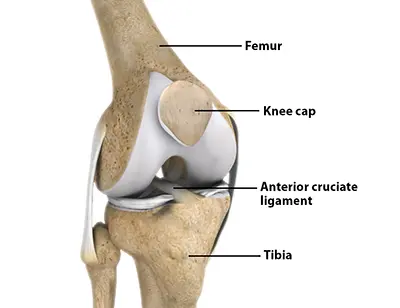
The knee is made up of bones and ligaments that work together to provide stability. The main bones include the femur (thigh bone), tibia (shin bone), fibula (calf bone), and patella (kneecap).
Ligaments connect bones to other bones. In the knee, four major ligaments are key:
- Anterior cruciate ligament (ACL)
- Medial collateral ligament (MCL)
- Lateral collateral ligament (LCL)
- Posterior cruciate ligament (PCL)
The ACL is crucial for keeping the knee stable. It prevents the shin bone from moving too far forward relative to the thigh bone and controls excessive rotation. Because of its role in stability, it is prone to injury, particularly tears.
Causes
ACL tears often occur during non-contact movements such as:
- Sudden change in direction
- Slowing down while running
- Landing awkwardly from a jump
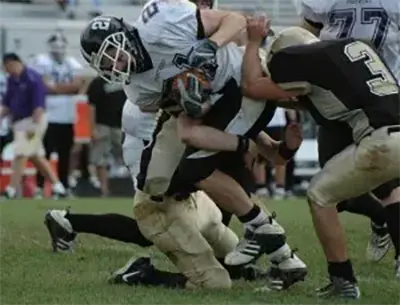
Trauma, such as a tackle in sports like football or rugby, can also cause ACL tears.
Symptoms
Signs of an ACL tear may include:
- Hearing a pop at the time of injury
- Knee instability
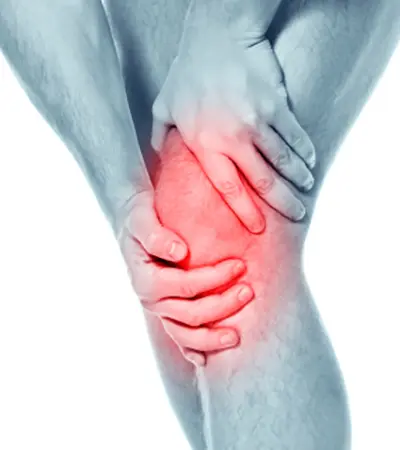
- Swelling
- Significant pain
Diagnosis
Diagnosis involves:
- Medical history: Your doctor reviews prior injuries and surgeries.
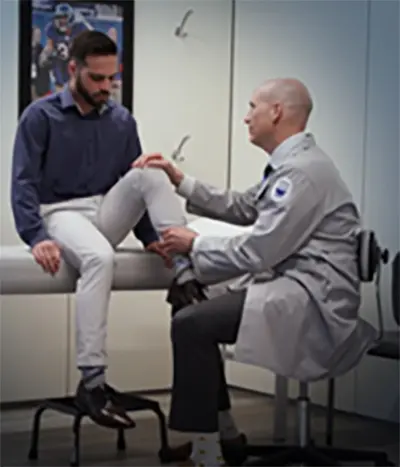
- Physical exam: Tests assess knee stability, range of motion, and pain.
- Imaging: MRI is often used to visualize the ACL and other soft tissues, while X-rays can rule out bone injuries.
Non-Surgical Treatment
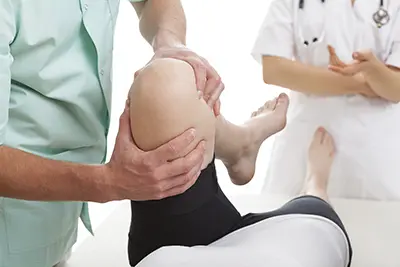
Some ACL tears may be managed without surgery, especially if you are less active or have mild instability. Options include:
- Rest and activity modification
- Physical therapy to improve strength and range of motion
- Anti-inflammatory medications to reduce pain and swelling
Surgical Options
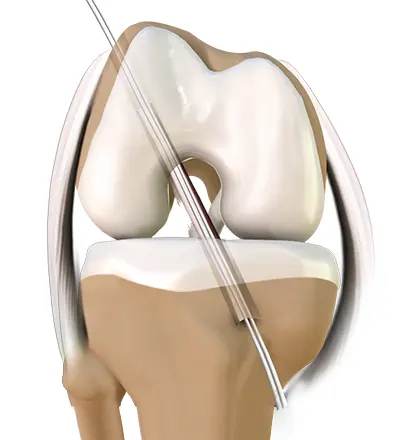
Active patients or those with significant knee instability often benefit from surgery. ACL reconstruction is the most common procedure, where the damaged ligament is replaced with a tendon graft from the patient or a donor. In select cases, direct ACL repair may be possible. The goal is to restore knee stability and allow safe return to sports and daily activities.