Arthroscopic Labral Repair & Reconstruction
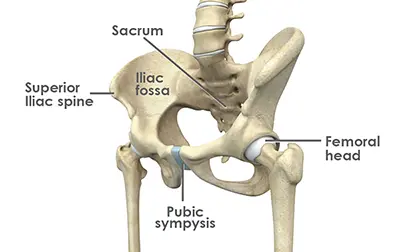
Hip Anatomy
The hip joint is made up of the head of the femur (ball of the hip) and the acetabulum (socket of the hip). Between these bones lies the labrum, a ring of cartilage around the acetabulum. The labrum stabilizes the joint by acting as a “suction seal,” keeping joint fluid inside the hip. This fluid lubricates the joint and allows smooth movement.
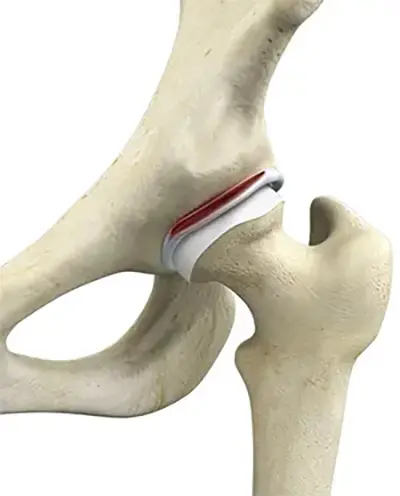
What are Labral Repairs & Labral Reconstructions?
A labral tear is damage to the hip labrum. When conservative treatments such as anti-inflammatory medications, physical therapy, or regenerative medicine do not relieve symptoms, a labral repair or reconstruction may be recommended.
- Labral repair: The surgeon repairs the tear using small anchors to reattach the labrum.
- Labral reconstruction: If the labrum is too damaged to repair, it is replaced with a graft to restore hip function.
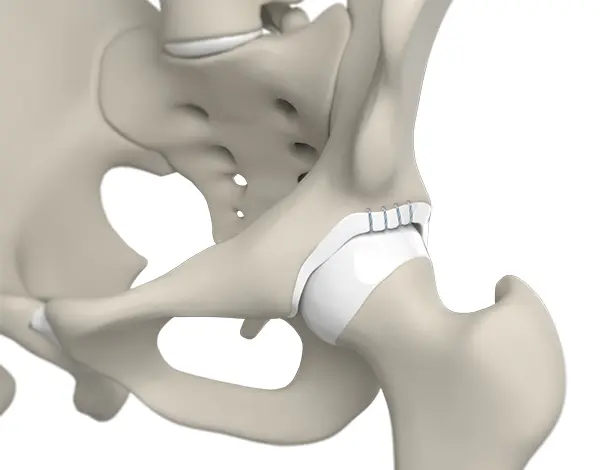
Description of Procedure
The surgeon uses an arthroscope, a thin tube with a camera, to look inside the hip joint. If the labrum is mostly intact, it is repaired. If it is too damaged, a graft is used for reconstruction. Both procedures aim to restore the suction seal and stability of the joint.

Post Operative Care
After surgery, patients receive instructions for recovery, including taking medications as prescribed, using crutches, participating in physical therapy, and avoiding certain activities until cleared by the care team.