
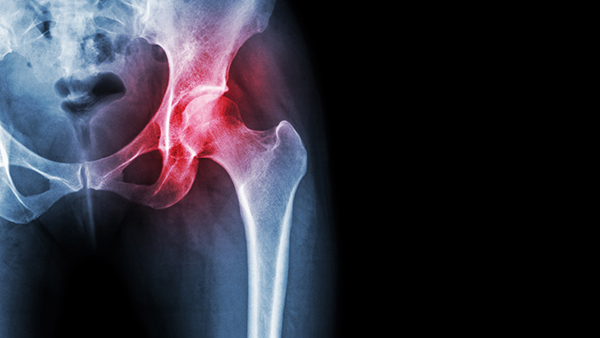
Arthritis is often associated with chronic pain, stiffness, and reduced mobility. Yet we frequently see a surprising pattern: some patients with advanced arthritis on imaging report very little discomfort, while others with mild joint changes experience significant pain. This difference can be confusing for patients. Several important factors help explain why arthritis symptoms vary so widely from person to person.
Arthritis Severity on X-Rays Does Not Always Match Pain Levels
One of the most common misconceptions about arthritis is that the amount of damage visible on an X-ray directly determines how much pain a person will feel. In reality, imaging findings and symptoms often do not perfectly align.
For example, some patients may have significant cartilage loss, bone spurs, or joint narrowing visible on imaging studies yet report minimal pain. At the same time, another patient with relatively early arthritis may experience considerable discomfort during daily activities.
Pain perception is influenced by many factors beyond the structural changes within the joint. While imaging helps physicians diagnose arthritis and guide treatment decisions, it does not always predict how severe a patient’s symptoms will be.
Inflammation Plays a Major Role in Arthritis Pain
Inflammation within the joint is one of the most important contributors to arthritis symptoms. When the joint lining becomes inflamed, it can lead to swelling, stiffness, and increased sensitivity in surrounding tissues.
Some patients develop significant inflammation even in the early stages of arthritis, which can trigger noticeable pain during movement. Others may have relatively low levels of inflammation despite more advanced cartilage wear. This difference in inflammatory response can partly explain why two people with similar joint damage may feel very different levels of discomfort.
Treatments aimed at reducing inflammation, including physical therapy, medications, and certain injection therapies, can often help improve symptoms even when structural arthritis remains present.
Why Strong Muscles Can Reduce Joint Pain from Arthritis
The muscles surrounding a joint play a critical role in supporting movement and reducing stress on arthritic surfaces. Patients with strong, well-conditioned muscles often place less strain on their joints during daily activities.
For example, strong quadriceps muscles help stabilize the knee and absorb some of the forces that would otherwise impact the joint directly. When muscles are weak or imbalanced, more pressure is transferred to the joint itself, which can increase irritation and pain.
This is one reason why exercise and targeted strengthening programs are frequently recommended as part of arthritis management. Improving muscle support can significantly reduce symptoms, even when joint degeneration is present.
Individual Pain Sensitivity and Nerve Response
Pain is a complex process that involves not only the joint but also the nervous system. Each person’s pain sensitivity and nerve response can differ.
Some individuals have a higher tolerance for discomfort or a nervous system that is less reactive to joint irritation. Others may experience heightened pain responses due to nerve sensitivity or chronic inflammation.
Factors such as stress levels, sleep quality, previous injuries, and overall health can also influence how strongly the body interprets pain signals from a joint.
Why a Personalized Treatment Approach Matters
Because arthritis symptoms vary greatly between individuals, treatment plans should always be personalized. A physician evaluates both imaging findings and a patient’s specific symptoms, lifestyle, and functional goals when recommending care.
Options may include physical therapy, activity modification, weight management, injection therapies, or surgical treatment in more advanced cases. Understanding why arthritis symptoms differ helps patients recognize that treatment is not based solely on imaging results, but on how the condition affects their daily life and mobility.
Frequently Asked Questions
- Can you have severe arthritis without much pain?
Yes. Some patients have significant arthritis visible on X-rays but experience little discomfort. Pain levels depend on factors such as inflammation, muscle strength, joint stability, and individual pain sensitivity.
- Why does mild arthritis sometimes cause more pain than severe arthritis?
Early arthritis may trigger more inflammation in the joint, which can lead to swelling, stiffness, and pain. In contrast, some patients with advanced arthritis develop less active inflammation and therefore experience fewer symptoms.
- Does arthritis pain always match what appears on imaging?
No. X-rays and other imaging studies show structural changes in the joint, but they do not always predict how much pain a person will feel or how symptoms affect daily activities.
- Can strengthening muscles help reduce arthritis pain?
Yes. Strong muscles help support and stabilize joints, reducing the pressure placed on arthritic surfaces. Physical therapy and targeted exercises are often recommended to help manage arthritis symptoms.
- When should someone with arthritis see a specialist?
Patients should consider seeing an orthopedic specialist if joint pain interferes with daily activities, worsens over time, or does not improve with rest, exercise, or basic treatments. Early evaluation can help guide appropriate care.
Reference Links:
- 6 Factors that Affect Arthritis Pain - Arthritis Foundation
- Understanding Arthritis -- the Basics - WebMD
AUTHOR: Mark F. Schinsky, MD, FAAOS, CIME – Orthopedic Hip & Knee Replacement Surgeon
Mark F. Schinsky, M.D., FAAOS, CIME is a fellowship-trained, board-certified orthopedic surgeon specializing in adult reconstructive orthopaedic surgery, hip replacement, knee replacement, and regenerative medicine. He serves as Director of Complex Hip & Knee Replacement and is recognized for advanced expertise in minimally invasive, complex primary, and revision total joint replacement procedures.
Credentials & Recognition
Dr. Schinsky earned his medical degree from the Columbia University College of Physicians & Surgeons and completed elite orthopaedic training at Barnes-Jewish Hospital affiliated with Washington University in St. Louis, as well as RUSH University.
With extensive clinical experience and thousands of successful hip and knee replacements performed, Dr. Schinsky is widely respected for his precision, surgical judgment, and commitment to improving patient mobility and quality of life. He has also contributed to the design of innovative orthopaedic implants and regularly travels nationally and internationally to educate surgeons on the latest joint replacement technologies and surgical techniques.
Clinical Expertise
Dr. Schinsky focuses on minimally invasive joint replacement, complex primary and revision hip and knee arthroplasty, and advanced reconstructive procedures tailored to each patient’s anatomy and functional goals. He treats patients from the Chicagoland region and across the country who seek specialized expertise in complex joint reconstruction. His patient-centered approach emphasizes individualized care, modern surgical technology, and comprehensive recovery planning to restore long-term function and independence.
Medical Disclaimer: This information is provided for educational purposes only and does not constitute medical advice. For diagnosis and treatment recommendations, please consult with Dr. Schinsky or another qualified orthopedic specialist at the American Hip Institute.
Content authored by Dr. Schinsky and verified against official sources.
AUTHOR: Dr. Benjamin G. Domb, M.D., ABOS, ABIME – Orthopedic Hip Surgeon & Sports Medicine Specialist
Benjamin G. Domb, M.D., ABOS, ABIME is a nationally recognized orthopedic surgeon specializing in sports medicine, hip arthroscopy, and minimally invasive hip preservation. He serves as Medical Director of the American Hip Institute and Chair and Fellowship Director of the American Hip Institute Research Foundation, where he leads innovation in joint preservation and advanced hip care.
Credentials & Recognition
Dr. Domb graduated with honors from Princeton University and earned his medical degree from the Johns Hopkins School of Medicine, one of the nation’s top-ranked medical programs. He has been recognized among the Top Doctors in the United States by major national publications and physician-review organizations, reflecting his reputation as one of the most experienced hip surgeons worldwide.
He is the Founder and Fellowship Chair of the American Hip Institute Research Foundation, a nonprofit organization dedicated to advancing research, education, and innovation in hip preservation surgery. Dr. Domb has authored more than 500 scientific publications, developed numerous surgical techniques, and trained dozens of orthopedic surgeons practicing across the globe.
Clinical Expertise
Dr. Domb focuses on minimally invasive hip arthroscopy, complex hip preservation, and sports-related hip injuries. He has treated professional and Olympic athletes from major leagues, including the NFL, NBA, and NHL, and previously served as Head Team Physician for the Chicago Sky. Patients from across the country travel to Chicago for his expertise in advanced hip surgery, where he applies the same high standard of individualized care used for elite athletes to every patient he treats.
Medical Disclaimer: This information is provided for educational purposes only and does not constitute medical advice. For diagnosis and treatment recommendations, please consult with Dr. Domb or another qualified orthopedic specialist at the American Hip Institute.
Content authored by Dr. Domb and verified against official sources.