Core Muscle Injury
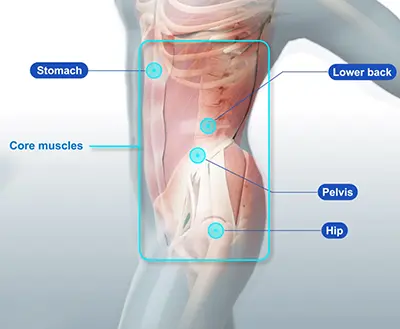
What is a Core Muscle Injury?
The core muscles include all muscles from the chest down to the mid-thigh, including the front and side abdominal muscles and the inner thigh muscles. A core muscle injury occurs when one or more of these muscles experiences a tear or a series of small micro-tears. The muscles that attach to the pubic bone are most commonly affected.

Causes of Core Muscle Injury
Core muscle injuries can develop gradually over time or result from sudden trauma. Common causes include:
- Overstretching abdominal muscles by extending at the waist
- Overstretching inner thigh muscles during a split
- Repetitive movements like swinging a golf club or running
- Any activity that heavily engages the core muscles, whether in sports, work, or recreational activity
Dr. Benjamin Domb and his team carefully evaluate the mechanism of injury to determine the exact source of pain.

Symptoms of Core Muscle Injury
Symptoms may vary depending on the location and severity of the injury. Common signs include:
- Abdominal or groin pain after an acute injury
- Pain that worsens over weeks, months, or years
- Chest or rib discomfort
- Pain during and after physical activity
- Pain on one or both sides of the abdomen or groin
- Pain that moves from the abdomen to the groin or thigh
- Increased discomfort with exertion, such as sprints, kicks, or lifting
- Pain when coughing, sneezing, or turning in bed
- Difficulty performing daily activities due to abdominal or groin pain
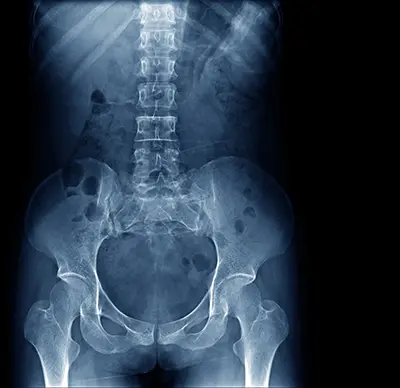
Diagnosis of Core Muscle Injury
Diagnosing a core muscle injury involves a thorough review of symptoms, medical history, and a physical examination. Imaging may be used to confirm the diagnosis:
- X-rays: Can detect fractures or injuries to the pelvic bones
- MRI: Evaluates soft tissue for tears or damage
- Ultrasound: Produces images of muscles and tendons to identify injury
Dr. Domb and his team use these diagnostic tools to pinpoint the source of pain and guide treatment planning.

Treatment Options
Conservative Treatments
Many core muscle injuries respond well to non-surgical management:
- Ice to reduce pain and inflammation
- Activity modification to avoid movements that worsen pain
- Anti-inflammatory medications
- Physical therapy to strengthen core stability
- Therapeutic injections
- Acupuncture and massage therapy
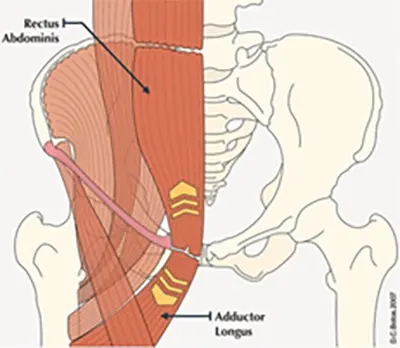
Surgical Treatments
If conservative treatments are ineffective or the injury is severe, surgery may be recommended:
- Suturing torn muscle attachments to the bones or surrounding ligaments to stabilize the pubic joint
- Reattachment of rectus abdominis muscles to the pubic bone through open surgery to reconstruct the pelvic floor
- Adductor compartmental decompression or repair for injuries involving the adductor muscles
Recovery and rehabilitation are tailored to the patient, based on the type and severity of the injury, with the goal of restoring strength, stability, and return to activity.