Greater Trochanter Pain Syndrome
What is Greater Trochanter Pain Syndrome?
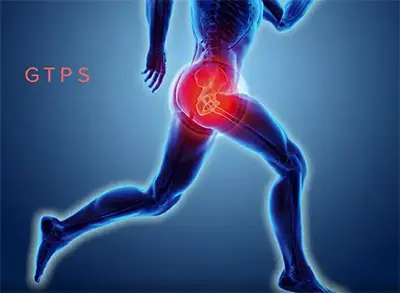
Greater trochanter pain syndrome (GTPS) is a condition characterized by pain on the side of the hip. This pain develops due to friction, irritation, and chronic inflammation of the soft tissues around the greater trochanter, the bony prominence on the side of the hip. GTPS affects roughly 1.8 per 1,000 people each year and is more common in women than men.

Causes of GTPS
GTPS is often caused by soft tissue issues rather than problems within the hip joint itself. Factors that may contribute to GTPS include:
- Muscle and tendon imbalances around the hip
- Lumbar spine degenerative disc disease
- Ischiofemoral impingement
- Sacroiliitis
- Pelvic or femoral fractures
- Iliotibial band syndrome
- Previous hip injury or arthritis
Dr. Benjamin Domb and his team carefully evaluate patients to identify the underlying causes and contributing factors of lateral hip pain.

Symptoms of GTPS
Symptoms of GTPS can vary but often include:
- Pain on one side of the hip and upper thigh
- Tenderness when pressing on the side of the hip
- Increased pain when lying on the affected side
- Weakness or reduced range of motion in the hip
Diagnosis of GTPS
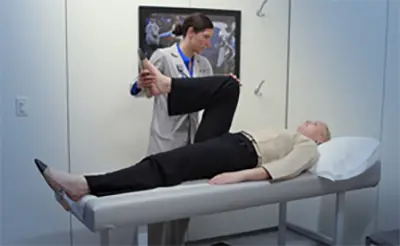
Diagnosing GTPS involves a combination of medical history, physical examination, and imaging:
- Physical Examination: Tests assess the soft tissues of the hip and help rule out other causes of lateral hip or back pain.
- MRI: Detects soft tissue abnormalities and excludes other potential diagnoses.
- X-rays: Identify bony abnormalities or stress fractures.
- Ultrasound: Evaluates muscles, tendons, and other soft tissue structures.
Dr. Domb and his team use these tools to pinpoint the exact source of hip pain and guide treatment.

Treatment for GTPS
Conservative Treatments
Most cases of GTPS improve with non-surgical approaches:
- Anti-inflammatory medications to reduce pain and swelling
- Rest and activity modification to allow soft tissue healing
- Ice or heat to relieve pain and inflammation
- Steroid or platelet-rich plasma (PRP) injections to promote healing
- Physical therapy to correct muscle imbalances and restore hip function

Surgical Treatments
If conservative treatment is not effective, surgery may be recommended. Surgical options include:
- Trochanteric bursectomy to remove inflamed tissue
- Trochanteric micropuncture to stimulate healing
- Repair of the gluteus medius or minimus tendons
- Iliotibial band release to relieve tension
Recovery from surgery varies but typically takes several weeks to months, with physical therapy playing a key role in restoring strength and function.