Femoro-Acetabular Impingement
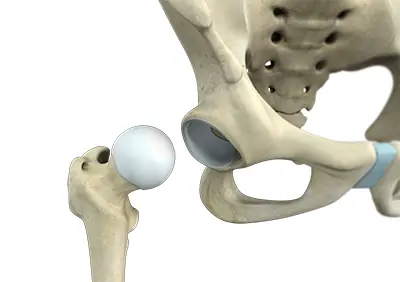
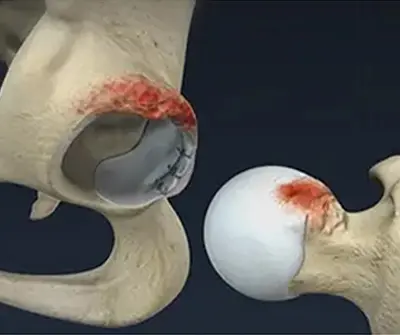
A healthy hip depends on two key bony structures that work together to allow smooth, pain-free movement. The acetabulum forms the socket of the hip, while the femoral head serves as the ball. These structures are precisely shaped to fit together seamlessly, enabling the hip to move efficiently in all directions.
However, genetic factors, developmental variations, or injury can alter the shape of either the acetabulum or the femoral head. When these structures lose their natural alignment, they may begin to rub against one another during movement, leading to pain and joint damage.
Understanding the factors that contribute to FAI is an important first step in managing this condition effectively and preventing future joint damage.
What is Femoroacetabular Impingement:
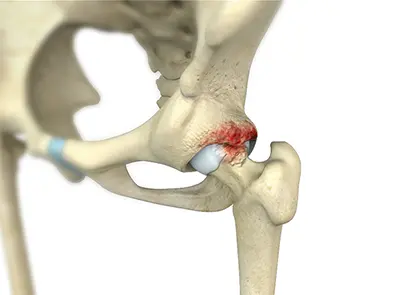
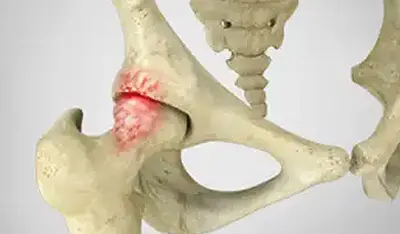
Femoroacetabular Impingement (FAI) is a common cause of hip pain that, if left untreated, can lead to labral tears and eventually osteoarthritis. FAI occurs when abnormal bone growth develops along the acetabulum (the socket) or femoral head (the ball of the hip joint). These extra bone structures cause the bones to rub against each other during certain movements, resulting in irritation and damage to the joint.
There are two main types of impingement: Pincer impingement, caused by over-coverage of the socket, and Cam impingement, caused by a non-spherical femoral head. Some patients have a combination of both, known as Combined impingement. During hip motion—whether in daily activity or sports—the abnormal contact between the ball and socket can pinch or trap the labrum, leading to labral tears and progressive joint wear.
Symptoms of Femoroacetabular Impingement:
Not all patients with FAI experience symptoms, but those who do often report discomfort that limits activity. Common symptoms include:
- Popping or clicking sensations in the hip
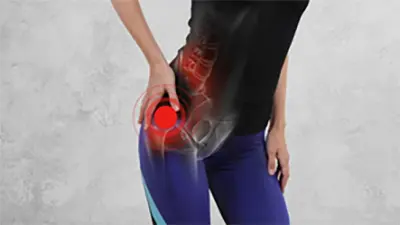
- Pain around the groin, upper thigh, or outer hip
- Catching or locking of the joint
- Pain that increases after exercise
- Stiffness or reduced range of motion
If you recognize these symptoms, Dr. Benjamin Domb and his team of hip specialists can perform a comprehensive evaluation to determine whether FAI is the cause and recommend the best next steps for your care.
Causes of Femoroacetabular Impingement
Some individuals are naturally more predisposed to FAI due to their anatomy, lifestyle, or genetic factors. High levels of physical activity or repetitive hip motion can accelerate the condition’s development. FAI may arise from several causes, including:
- Repetitive hip movements from sports or work
- Traumatic injuries, such as car accidents or falls
- Muscular imbalances or weakness
- Developmental bone abnormalities
Diagnosis of Femoroacetabular Impingement
Diagnosing FAI requires a combination of medical history review, detailed physical examination, and advanced imaging studies. Dr. Domb and his team use state-of-the-art diagnostic tools to identify hip impingement accurately and rule out other causes of hip pain.
- X-rays: Used to identify bone deformities or fractures that may contribute to impingement.
- MRI or MR Arthrogram (MRA): Provides detailed imaging of cartilage and soft tissues. An MRA involves injecting contrast dye into the joint for clearer visualization.
- Physical Examination: Includes specific maneuvers—such as the FADIR (flexion, adduction, internal rotation) test—to pinpoint pain related to impingement.
- Medical History Review: Evaluates symptoms, activity level, prior surgeries, and lifestyle factors.
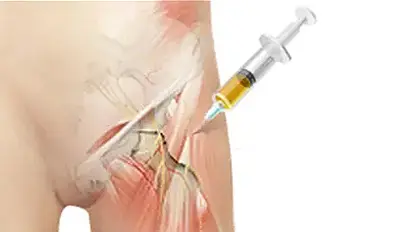
- Diagnostic Injections: An ultrasound-guided anesthetic injection can help confirm whether pain originates inside the hip joint.
This comprehensive diagnostic approach allows Dr. Domb’s team to create an individualized plan tailored to each patient’s needs.
Treatment Options for Femoroacetabular Impingement
Treatment depends on the severity of impingement and the patient’s symptoms. For mild cases, non-surgical management may effectively relieve pain and restore mobility.
Common conservative treatments include:
- Activity Modification and Rest: Avoiding motions or activities that aggravate symptoms.
- Physical Therapy: Strengthening the muscles supporting the hip and improving joint mobility.
- Medications: Non-steroidal anti-inflammatory drugs (NSAIDs) can reduce pain and inflammation.
- Orthobiologic Injections: Platelet-rich plasma (PRP), bone marrow concentrate, or cortisone injections can help decrease inflammation and promote healing within the joint.
Surgery for Femoroacetabular Impingement
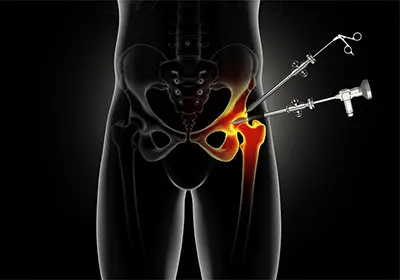
If non-surgical treatments are unsuccessful, hip arthroscopy may be recommended. This minimally invasive procedure uses small incisions and a camera (arthroscope) to visualize and correct structural abnormalities within the hip.
During arthroscopy, Dr. Domb may:
- Reshape the acetabulum or femoral head to remove excess bone causing impingement.
- Repair or reconstruct the labrum if it is torn.
- Perform microfracture surgery to stimulate cartilage healing if significant cartilage damage is present.
The goal of these procedures is to preserve the hip joint, alleviate pain, and restore natural function—allowing patients to return to their activities without limitation.
Recovery After Surgery
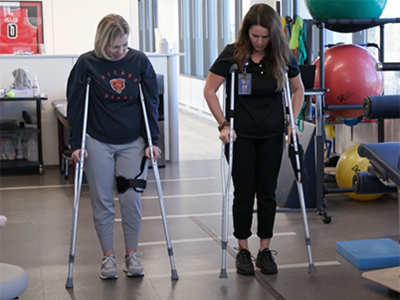
After surgery, patients receive detailed postoperative instructions on incision care, safe movements, and rehabilitation exercises. Crutches or a hip brace may be necessary for a period of time to protect the repair. Physical therapy plays a vital role in regaining strength and flexibility, while pain management ensures a comfortable recovery.
Recovery timelines vary depending on the extent of surgery, but Dr. Domb and his team closely monitor each patient to ensure optimal healing and long-term success.

Meet Experts in Femoroacetabular Impingement
If you are experiencing hip pain, stiffness, or clicking, you may have Femoroacetabular Impingement (FAI). Dr. Benjamin Domb and his world-renowned team of hip preservation specialists are leaders in diagnosing and treating this condition using the most advanced, minimally invasive techniques available.
Their expertise in hip arthroscopy and joint preservation has helped thousands of patients regain mobility, relieve pain, and return to the activities they love. Contact Dr. Domb's team today to schedule a consultation and take the first step toward restoring your hip health.