Ischiofemoral Impingement
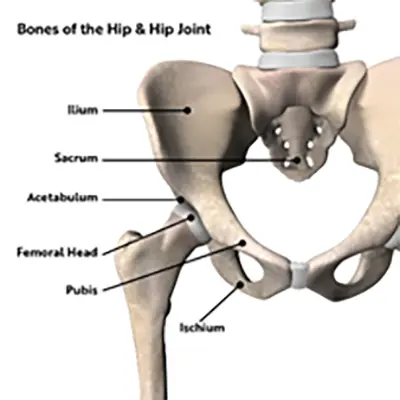
A healthy hip depends on the proper alignment and function of bones, soft tissues, and cartilage, which work together to allow smooth, pain-free movement. While many people think mostly about the hip socket (acetabulum) and the femoral head (ball of the hip), it’s also important to consider the relationship between the ischium (part of the pelvis) and the femur (thighbone). These two bones need to be properly spaced to allow a full, painless range of motion.
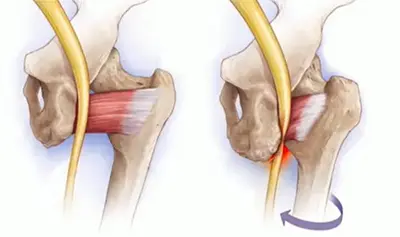
Strenuous activity, abnormal pelvic structure, or injuries can cause the ischium and femur to come too close together, which may compress surrounding soft tissues. This compression can lead to irritation, inflammation, and hip pain.
What is Ischiofemoral Impingement?
Ischiofemoral impingement is a condition that can cause pain near the hip due to narrowing of the space between the ischium (part of the pelvis) and the femur (thighbone). When this space becomes too small, soft tissues and nerves can become compressed, leading to irritation and pain. This condition is more commonly seen in physically active women and can sometimes develop after hip replacement, osteoarthritis, or repetitive activity.

Symptoms of Ischiofemoral Impingement
Symptoms of ischiofemoral impingement can vary. Some patients may not notice any pain, while others may experience:
- Pain in the lower buttock, groin, or inner thigh
- Clicking, popping, or snapping sensations when walking
- Pain similar to sciatica
- Altered walking patterns or back pain

Diagnosis of Ischiofemoral Impingement
Diagnosing this condition typically involves a combination of medical history, physical examination, and imaging tests:
- X-Rays: Identify structural abnormalities or fractures.
- MRI: Evaluates soft tissue, including the sciatic nerve, and the space between the ischium and femur.
- Physical Examination: Tests range of motion, joint stability, and pain that may indicate ischiofemoral impingement.
- Medical History: Your doctor will ask about previous injuries, surgeries, and lifestyle factors.
- Diagnostic Injection: In some cases, a local anesthetic may be injected to confirm the source of pain.

Treatment for Ischiofemoral Impingement
Conservative Treatments
Mild cases often improve without surgery. Non-surgical treatments may include:
- Activity modification and rest to reduce stress on the hip
- Physical therapy to improve mobility and strengthen supporting muscles
- Anti-inflammatory medications to reduce pain and swelling
- Cortisone injections to alleviate inflammation and discomfort
Surgical Treatments
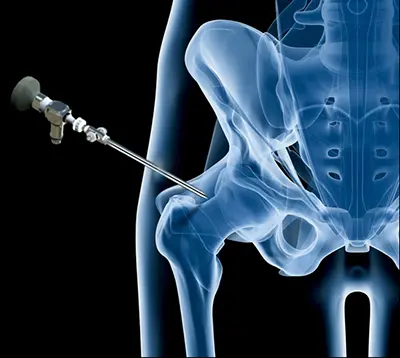
If conservative treatments are not effective, minimally invasive arthroscopic surgery may be considered. Surgical options may include:
- Gluteal or other tendon repair or transfer
- Femoral osteotomy to correct bone alignment
- Decompression of the lesser trochanter of the femur
- Hamstring debridement and repair
These procedures aim to relieve pressure, repair damaged tissue, and restore hip function. Recovery typically involves physical therapy, and some procedures may include temporary restrictions on weight bearing for the first few weeks to months.