Knee Arthritis
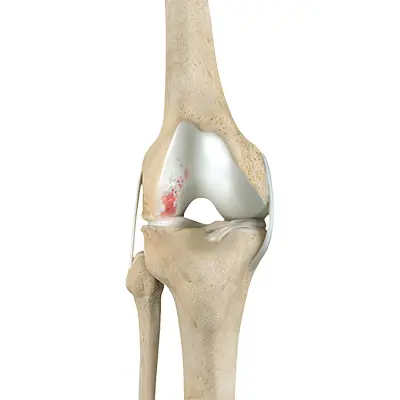
What is Knee Arthritis?
Osteoarthritis is a common condition that affects the knee joint. It occurs when the cartilage, the smooth tissue covering the ends of bones in a joint, wears down over time. Cartilage allows bones to move smoothly against each other and supports the joint.
As cartilage wears away, the bones may rub directly against each other, causing bone-on-bone contact, which leads to inflammation, pain, stiffness, and decreased knee function.
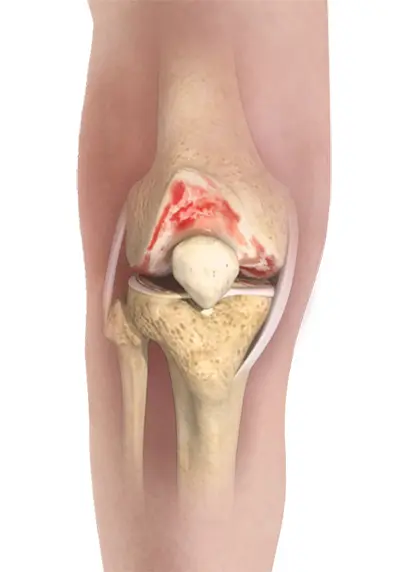
Causes of Knee Arthritis
The development of knee osteoarthritis can be influenced by multiple factors:
- Genetics: Family history of arthritis may increase your risk.
- Wear-and-tear: Repeated use of the knee joint over time can damage cartilage.
- Trauma or Injury: Previous knee injuries can accelerate cartilage breakdown.
- Obesity: Extra weight places added stress on the knee joint.

Symptoms
Common signs of knee arthritis include:
- Pain that interferes with daily activities
- Stiffness, especially after sitting or in the morning
- Swelling and redness in the knee
- Difficulty walking, climbing stairs, or bending the knee
Diagnosis
Diagnosing knee arthritis involves a combination of approaches:
- X-Rays: Check for cartilage loss, bone spurs, or structural abnormalities.
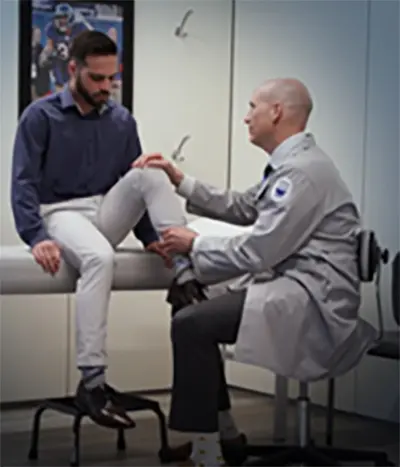
- Physical Examination: Tests range of motion, joint stability, and pain response.
- Medical History: Reviews previous injuries, surgeries, and current symptoms.
Treatment Options
Non-Surgical Treatments:
- Activity Modification and Rest: Avoid activities that worsen pain.
- Physical Therapy: Strengthens muscles around the knee and improves flexibility.
- Medications: Anti-inflammatory drugs reduce pain and swelling.
Injection Therapy
Injections can provide relief and improve function, although they do not cure arthritis. Options include:
- Cortisone injections
- Hyaluronic acid injections
- Platelet-rich plasma (PRP) or other orthobiologic treatments
Surgical Options:
If non-surgical measures are not sufficient, surgery may be recommended:
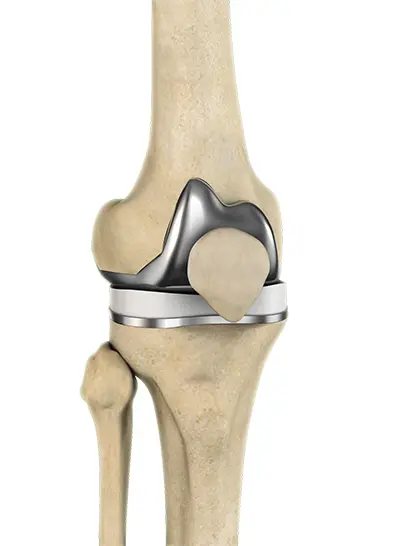
- Partial Knee Replacement: Only the damaged portion of the knee is replaced.
- Total Knee Replacement: The entire knee joint is replaced with an artificial implant to restore function and reduce pain.