Knee Pain
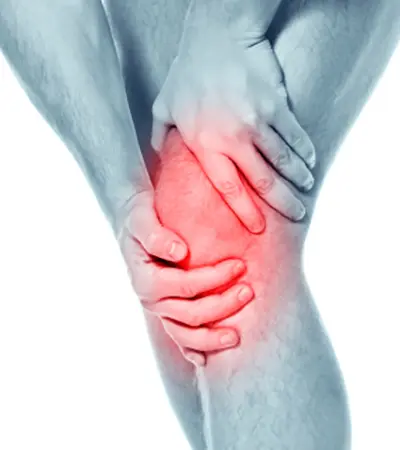
What is Knee Pain?
Knee pain is a common problem that can affect people of all ages. It can limit movement and affect your quality of life. Pain can result from injury, disease, or damage to any structure in or around the knee. Identifying the exact cause is important for choosing the right treatment.
Anatomy
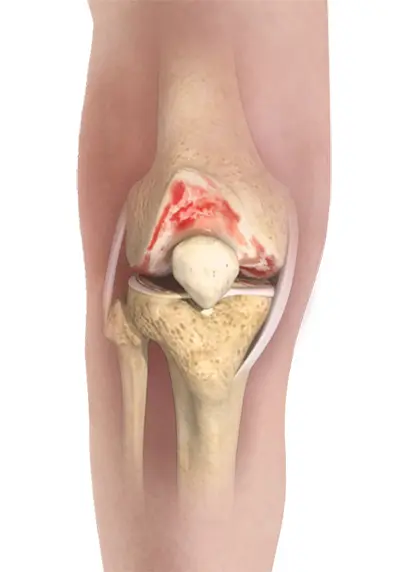
The knee is one of the largest joints in the body. It is formed by the lower end of the thighbone (femur), the upper end of the shinbone (tibia), and the kneecap (patella). Ligaments and muscles attach to these bones to maintain normal motion and stability. Smooth cartilage covers the ends of the bones to allow them to glide easily, while C-shaped menisci act as shock absorbers between the bones.
Causes
Common causes of knee pain include:
- Arthritis, due to inflammation and cartilage loss
- Ligament injuries
- Meniscus tears
- Knee joint infections
- Patella (kneecap) dislocation
- Patellar tendonitis (inflammation of the tendon connecting kneecap to shinbone)
- Knee bursitis (inflammation of fluid-filled sacs around the joint)
- Gout (buildup of uric acid crystals causing swelling and pain)

Signs and Symptoms
Knee pain may be accompanied by:
- Swelling and redness
- Difficulty bending or straightening the knee
- Trouble walking or bearing weight
- Limping
- Weakness or instability
- Popping or crunching noises
Diagnosis
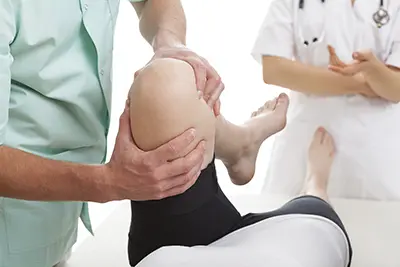
Diagnosis involves a detailed medical history and physical exam. Your doctor may also order X-rays, MRI, CT, or ultrasound scans. Blood tests may help detect infection or gout. In some cases, a procedure called arthrocentesis is performed, where fluid from the knee joint is analyzed in a lab.
Treatment
Treatment depends on the underlying cause and may include:
- RICE protocol: Rest, Ice, Compression, Elevation
- Medications for pain or inflammation
- Stretching and physical therapy
- Knee injections
- Knee arthroscopy, a minimally invasive procedure to examine and treat the joint
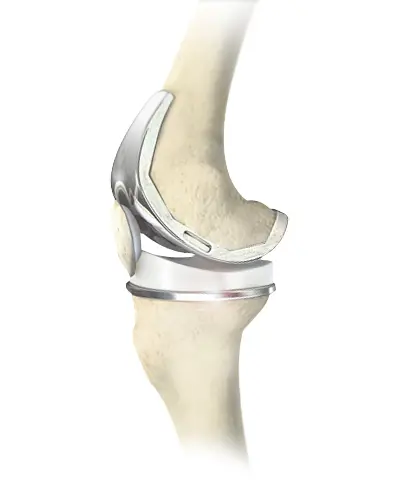
- In severe cases, knee replacement surgery may be recommended