Ligamentum Teres Tears
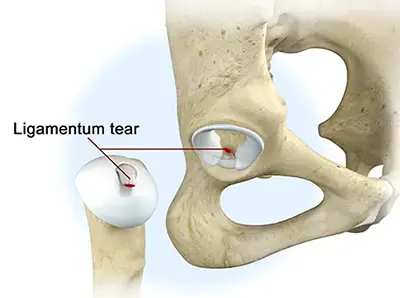
What is a Ligamentum Teres Tear?
The ligamentum teres (LT) is a cord-like structure that connects the hip socket (acetabulum) to the femoral head (ball of the hip). It helps stabilize the hip joint. When the LT is torn, patients may feel hip instability, experience “giving out” of the hip, or have pain during movement.
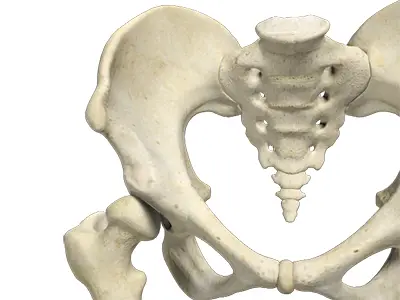
Causes of Ligamentum Teres of Tears
LT tears can result from a combination of factors, including:
- High levels of physical activity or sports that place stress on the hip
- Structural instability or muscular imbalances around the hip
- Aging and natural wear and tear
- Connective tissue disorders like Ehlers-Danlos Syndrome or other hypermobility syndromes
LT tears may also be associated with other hip conditions such as:
- Hip dysplasia
- Muscular instability
- Hypermobility
- Muscular imbalances

Symptoms of Ligamentum Teres Tears
Common symptoms include:
- Hip “giving out” or feeling unstable
- Weakness in the hip
- Pain or irritation after physical activity
- Apprehension with extreme hip movements
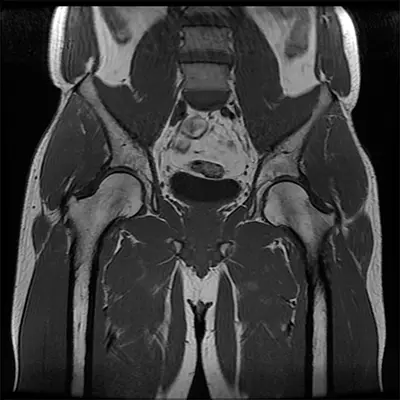
Diagnosis of Ligamentum Teres Tears
Diagnosis typically involves a combination of medical history, physical examination, and imaging:
- Physical Examination: Tests hip stability and identifies painful or restricted movements.
- MRI Scan: Detects soft tissue damage and can reveal LT tears.
- CT Scan: Provides detailed cross-sectional images of bones and soft tissues.
- X-rays: Used to rule out fractures or bony deformities.

Conservative Treatments
For mild LT tears, non-surgical treatments may be recommended:
- Anti-inflammatory medications: NSAIDs to reduce pain and swelling
- Rest and activity modification: Allowing time for healing
- Injections: Steroid or orthobiologic injections to reduce pain and promote healing
- Physical therapy: Exercises to improve balance, stability, and strength

Surgical Treatments
If symptoms persist despite conservative care, surgical options may include:
- Ligamentum teres debridement: Cleaning damaged tissue from the LT
- Ligamentum teres reconstruction: Repairing or replacing the torn LT
- Capsular repair, reconstruction, or plication: Strengthening surrounding hip structures for stability
Rehabilitation after surgery typically includes physical therapy to restore strength, mobility, and hip stability.