Minimally Invasive Knee Joint Replacement
What is a Minimally Invasive Knee Replacement?
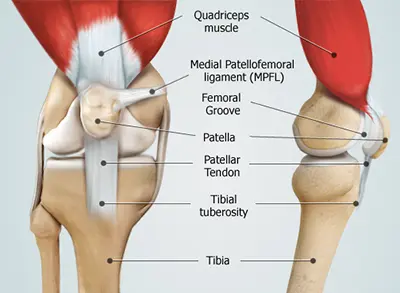
Total knee replacement is a highly successful surgical treatment for knee arthritis. Minimally invasive knee replacement techniques have been developed to reduce tissue trauma and improve recovery. Unlike traditional knee replacement surgery, which typically requires a 10-12 inch incision, minimally invasive surgery uses smaller incisions and spares the quadriceps muscle and tendon, which control knee bending, from being cut.

Advantages of a Minimally Invasive Knee Replacement
Smaller incisions and reduced tissue damage result in faster healing and recovery. Potential advantages of minimally invasive knee replacement include:
- Minimal surgical dissection
- Shorter recovery period
- Shorter hospital stay
- Reduced post-operative pain
Procedure
Minimally invasive knee replacement is performed under spinal or general anesthesia in a sterile operating room. A tourniquet may be applied to the upper thigh to reduce blood loss. The incision is usually 4-6 inches long.
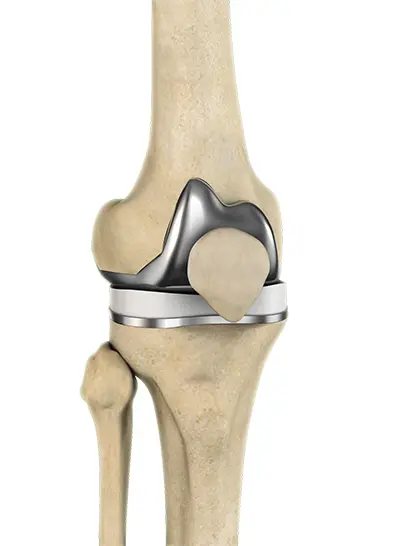
The surgeon begins with the femur (thighbone), removing the damaged portions and attaching the femoral implant with or without bone cement. The tibia (shinbone) is then prepared, and the tibial component is secured in place. A plastic insert is positioned between the femoral and tibial components to allow smooth movement and support body weight.
The patella (kneecap) is then prepared to receive a plastic component to ensure smooth gliding over the new knee joint. The joint is checked through its range of motion, excess cement is removed, and the area is irrigated with sterile saline. The incision is closed, drains are inserted if necessary, and a sterile dressing is applied.
Because less tissue is disrupted during minimally invasive surgery, patients can expect a shorter hospital stay, faster recovery, and a smaller, less noticeable scar.