Outpatient Anterior Approach Hip Replacement
What is Outpatient Anterior Approach Hip Replacement?
With improved technology and advances in anesthesia and pain control, hip replacement surgery has evolved and is now being offered in an outpatient setting.
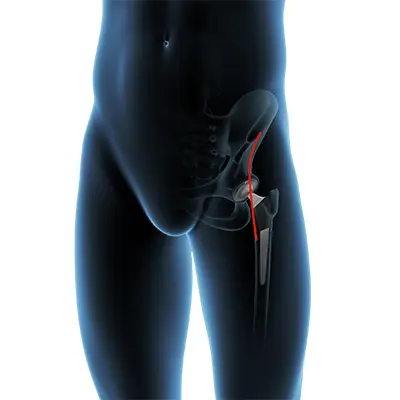
Outpatient anterior approach hip replacement refers to surgery accessed from the front of the hip in an outpatient setting. It is a minimally invasive procedure designed to cause less muscle damage, faster recovery, and less disruption to a patient’s life.
This outpatient (same-day) procedure aims to replace a damaged hip joint affected by arthritis or a severe fracture with an artificial implant (prosthesis) made of metal, plastic, or ceramic.

Candidate for Outpatient Anterior Hip Replacement
Not all patients are candidates for outpatient surgery. Criteria to qualify for an outpatient anterior hip replacement include:
- Being fit and in general good health
- Motivated with a positive frame of mind
- Maintains a normal weight with less muscle mass and fat in the thigh area
- Hip condition that has failed conservative management
- A good network of family and friends who can provide care during recovery
- Commitment and preparedness to strictly adhere to doctor’s post-surgery instructions
- Mobile, active, and independent prior to surgery

Benefits of Outpatient Surgery
With outpatient surgery, you will go home the same day after your anesthesia wears off. You can leave the hospital and recuperate in the comfort of your own home. Recovery in a familiar home environment may improve progress and comfort.
Some benefits of outpatient surgery include:
- Less pain: Outpatient surgery does not involve a pain pump or IV medications.
- Fewer transfusions: Patients are less likely to require blood transfusions due to improved surgical techniques.
- Convenience: Recovering at home generally makes recovery easier than in an inpatient setting.
- Lower cost: No hospital room charges and related fees make home recovery more affordable.
- Better recovery: Being cared for by family and friends can improve comfort and healing.
- Safer: Home recovery reduces the risk of hospital-acquired infections (HAIs).
Reasons for Outpatient Anterior Hip Replacement
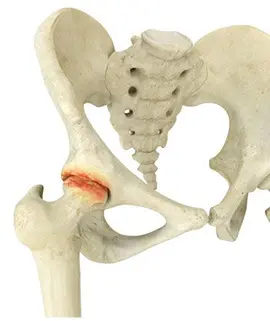
Indications for outpatient anterior hip replacement are linked to failure of conservative management to treat conditions such as:
- Hip injury or fracture
- Osteoarthritis
- Rheumatoid arthritis
- Avascular necrosis
- Bone tumor
- Congenital hip disease
- Septic arthritis
- Ankylosing spondylitis

Postoperative Care and Instructions
After surgery, you will be transferred to the recovery area where you will rest until discharged. Pain medications will be provided, and you may wear stockings to prevent blood pooling in your legs. Light activities can begin within a couple of weeks. Postoperative instructions may include:
- Use of assistive devices for walking, such as a cane or crutches
- Limited weight-bearing activities
- Suture and dressing care
- Physical therapy and exercise regimen to improve range of motion and strengthen muscles
- Dietary changes and supplements to improve bone health
- Adherence to prescribed medications
- Adherence to follow-up appointments