Patellar Tendinitis
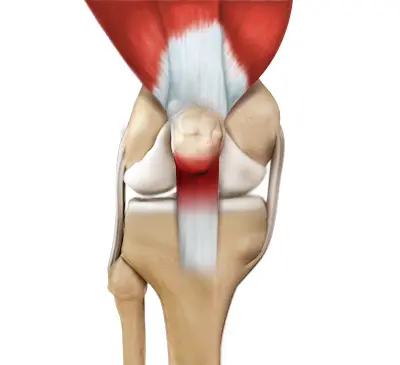
Conditions That Can Affect Your Patella (Kneecap)
The patella, or kneecap, plays an important role in knee movement and stability. Several conditions can affect the patella and the tendon that connects it to the shinbone (tibia).
Patellar Tendinitis
The patellar tendon connects the patella to the tibia and is crucial for straightening the knee. Patellar tendinitis occurs when this tendon becomes inflamed or irritated.
- Symptoms: Pain around the kneecap, especially during activities that involve knee extension, such as running, jumping, or squatting.
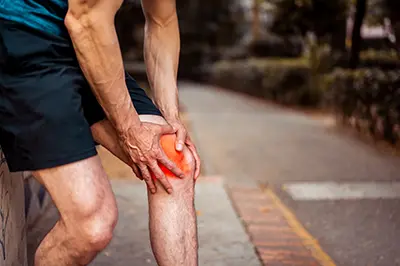
Patellofemoral Syndrome
Patellofemoral syndrome refers to pain in the front of the knee and around the kneecap. It is usually an overuse injury, often seen in athletes who run or jump frequently.
- Symptoms: Dull, aching pain at the front of the knee that worsens with running, walking up or down stairs, squatting, or sitting for long periods.
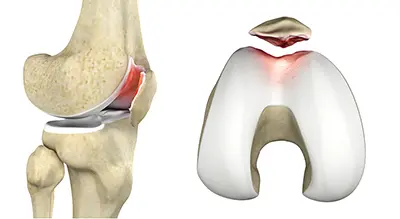
Chondromalacia Patella
Chondromalacia patella occurs when the cartilage on the underside of the patella softens, tears, or erodes due to trauma or repetitive movements. Healthy cartilage allows the patella to glide smoothly over the femoral groove.
- Symptoms: Knee pain and inflammation, particularly with activities like running, squatting, or climbing stairs.
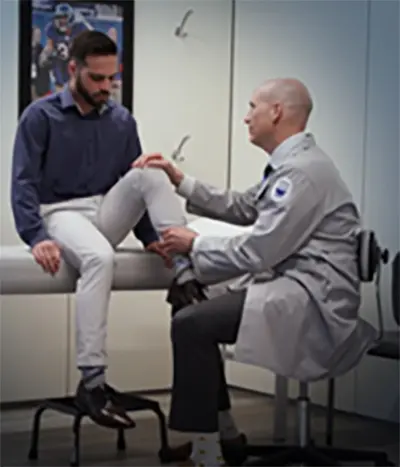
Diagnosis of Patellar Conditions
Your doctor may use a combination of medical history, physical examination, and imaging tests:
- X-Rays: Check for structural abnormalities and rule out other causes of knee pain.
- MRI: Evaluates the patella and surrounding soft tissues.
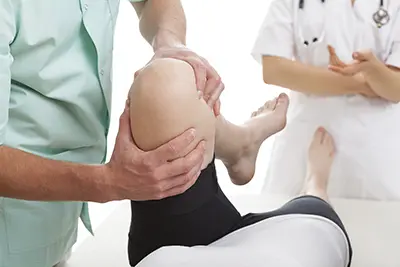
- Physical Examination: Tests range of motion, stability, and pain.
- Medical History: Review of prior injuries and surgeries.
- Diagnostic Injection: In some cases, a local anesthetic may be injected to determine if pain originates from the knee joint itself.
Treatment Options
Most patellar conditions respond well to conservative treatments, including:
- Activity Modification and Rest: Avoid activities that worsen symptoms.
- Physical Therapy: Exercises to improve range of motion and strengthen supporting muscles.
- Medications: Anti-inflammatory drugs to reduce pain and swelling.