Periacetabular Osteotomy
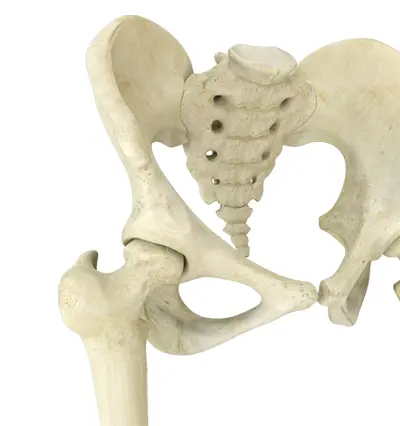
Hip Anatomy
The hip joint is a ball-and-socket joint composed of the head of the femur (thighbone) and the pelvic acetabulum (socket). This structure allows the femoral head to rotate freely within the acetabulum. The shape of the acetabulum helps hold the femoral head securely, preventing excessive movement and ensuring stability.
In some individuals, the acetabulum is naturally too shallow, a condition known as hip dysplasia. This undercoverage of the femoral head leads to hip instability, which can cause pain, mechanical symptoms, and damage to the soft tissues within the joint.
Because hip dysplasia is a developmental condition, symptoms often appear in childhood, making early diagnosis and treatment important.
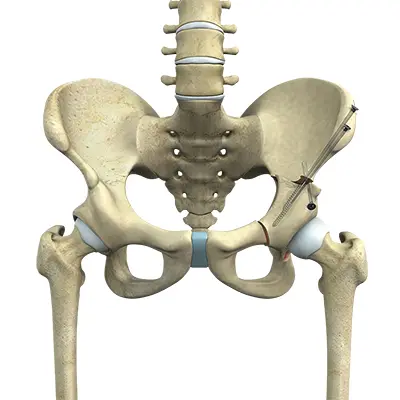
What is a Periacetabular Osteotomy?
A periacetabular osteotomy (PAO) is the primary surgical treatment for advanced hip dysplasia. During a PAO, the surgeon makes several cuts around the acetabulum and repositions the socket to better cover the femoral head. Metal screws are used to secure the bone while it heals. This procedure restores normal hip anatomy, preserves the patient’s native bone, alleviates symptoms, and reduces strain on the joint’s supporting structures.
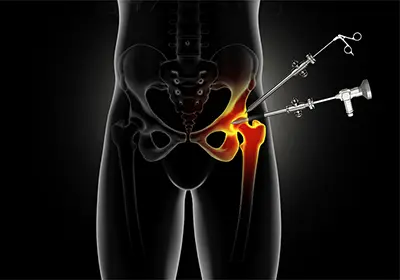
PAO With Concomitant Hip Arthroscopy
Undercoverage of the socket can cause progressive damage to the joint, often leading to labral tears. Combining a PAO with a hip arthroscopy allows the surgeon to restore hip anatomy while simultaneously repairing the labrum. This approach can halt cartilage damage, reduce the risk of arthritis, and potentially prevent the need for a total hip replacement.

Who is a Candidate for PAO?
PAO is typically indicated for younger patients who have reached skeletal maturity. A specialist evaluation is necessary to determine candidacy.
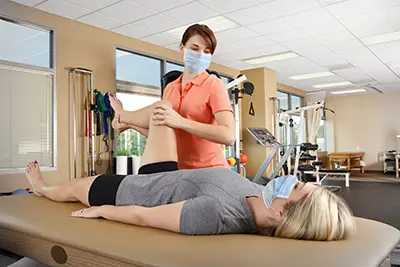
Recovery After PAO
- Use crutches for several weeks to protect the repositioned bone
- Begin physical therapy soon after surgery to restore strength and mobility
- Return to activity once the bone fully heals, free from hip pain and instability
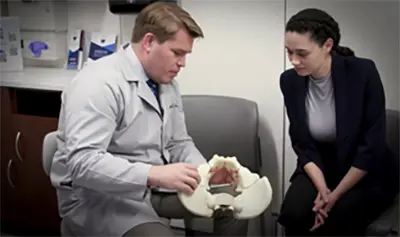
Consultation
Patients experiencing symptoms of hip dysplasia should consult a specialist to receive an accurate diagnosis and discuss treatment options ranging from conservative care to surgery, including hip arthroscopy and PAO.