Revision Knee Surgery
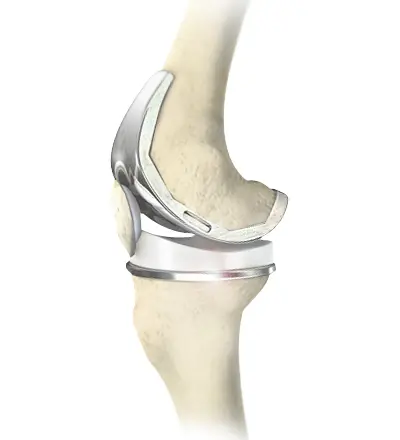
Revision Knee Surgery
Our surgeons have extensive experience treating the most complex knee conditions. If you or a loved one has had a prior knee surgery and continue to experience pain or functional limitations, revision knee surgery may be an option to improve symptoms and overall quality of life.

Indications for Revision Knee Surgery
Patients who have previously undergone knee arthroscopy or knee replacement and continue to experience persistent pain or functional issues should be evaluated by an orthopedic surgeon to determine if revision surgery is appropriate. Your surgeon will review your symptoms and perform diagnostic tests to assess whether a revision procedure may benefit you.
Reasons for revision knee arthroscopy may include:
- Reinjury or trauma: If the knee joint is reinjured or experiences trauma, further surgical repair may be necessary.
- Instability: Persistent instability after prior surgery may require additional surgical correction.
- Incomplete healing: If a previous repair or reconstruction did not fully heal.
- Alignment problems: Bone shape or joint alignment issues may need correction if prior soft-tissue procedures were insufficient.
Reasons for revision knee replacement may include:
- Fracture or trauma: Injury to the bones of the knee can damage or displace the implants.
- Wear and tear of the implant: Knee replacement implants experience normal wear over time and may require replacement.
- Loosening, instability, or malalignment of the implant: If the implant was placed inaccurately or the knee remains unstable, revision surgery may be indicated.

Description of Revision Knee Surgery
Revision knee arthroscopy or revision knee replacement procedures are similar in concept to the primary surgeries, though they are often more complex and may require additional surgical skill and time. Revision procedures are tailored to the patient’s unique anatomy and prior surgical history. You can learn more about knee arthroscopy and knee replacement on our website.