Shoulder Arthroscopy
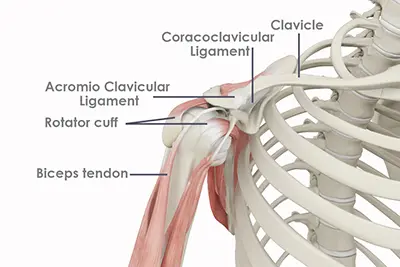
Shoulder Anatomy
The shoulder joint is a ball and socket joint where the head of the humerus (upper arm bone) fits into the glenoid, the socket of the scapula (shoulder blade). The articulating surfaces are covered with cartilage, which reduces friction between moving bones and allows for smooth, pain-free motion. Surrounding tendons and ligaments provide strength and stability to the joint.
Disease Overview
Injury or disease affecting the bones or soft tissues of the shoulder can lead to instability, pain, inflammation, and limited range of motion.
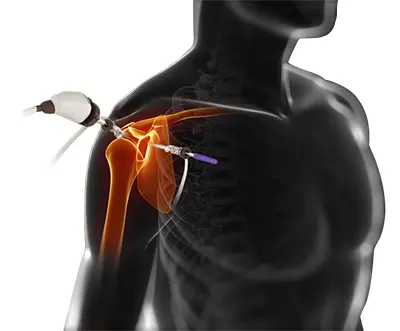
What is Shoulder Arthroscopy?
Shoulder arthroscopy is a minimally invasive procedure used to diagnose and treat various shoulder joint problems. It is performed using an arthroscope—a thin, pencil-sized instrument equipped with a camera and light source. The arthroscope projects live images of the joint onto a monitor, allowing the surgeon to clearly visualize and treat conditions involving the bones, cartilage, tendons, ligaments, or muscles of the shoulder.
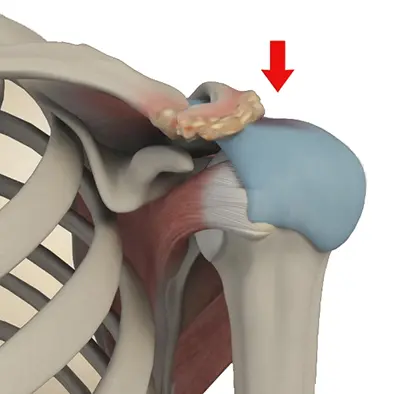
Indications of Shoulder Arthroscopy
Shoulder arthroscopy may be recommended when conservative treatments such as medications and physical therapy fail to relieve pain and restore function. Common conditions treated include:
- Shoulder impingement
- Rotator cuff tear
- Frozen shoulder (adhesive capsulitis)
- Shoulder instability
- Biceps tendon rupture
- Damaged cartilage or ligaments
- Bone spurs (bony projections)
- Arthritis of the collarbone (acromioclavicular arthritis)
Shoulder Arthroscopy Procedure
The procedure is performed under general or regional anesthesia. You may be positioned either lying on your side with your arm supported or sitting in a semi-seated position. A sterile fluid is injected into the shoulder joint to expand the space for better visualization and surgical access.
A small incision is made for the insertion of the arthroscope, allowing your surgeon to view the inside of the shoulder on a monitor. Additional small incisions are made for surgical instruments used to remove or repair damaged tissue. Once the procedure is complete, the instruments are removed, and the incisions are closed with sutures or small bandage strips.

Postoperative Care
After surgery, the small incisions generally heal within a few days. Surgical dressings are replaced with simple adhesive strips once the wounds close. Recovery time varies based on the condition treated and the extent of repair. Pain medication is provided as needed, and the affected arm may be placed in a sling temporarily. Physical therapy is typically prescribed to restore shoulder mobility, flexibility, and strength.

Advantages of Shoulder Arthroscopy
Compared with traditional open surgery, shoulder arthroscopy offers several benefits, including:
- Less postoperative pain
- Reduced risk of complications
- Shorter hospital stay
- Faster recovery and return to activity