Shoulder Labrum Reconstruction
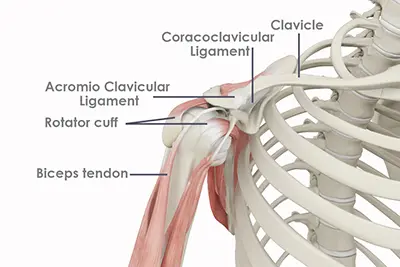
Anatomy of the Shoulder Labrum
The shoulder joint is a ball and socket joint in which the ball at the top of the upper arm bone (the humerus) fits into the socket, called the glenoid, which is part of the shoulder blade (scapula). The labrum is a ring of fibrous cartilage that surrounds the glenoid and provides stability to the shoulder joint. The biceps tendon attaches to the superior portion of the labrum and helps stabilize the joint.
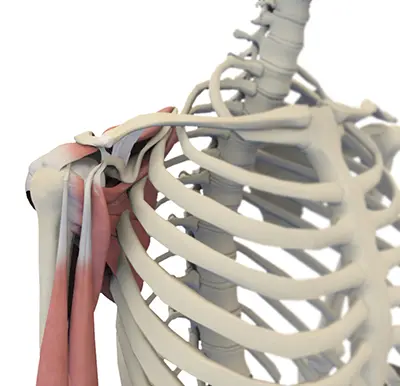
Shoulder Labral Tears
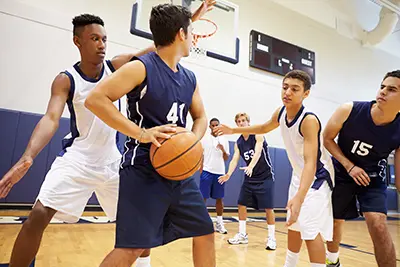
Labral tears can result from traumatic shoulder injury or repetitive overuse, such as from throwing or heavy lifting. The labrum may also weaken with age, increasing the risk of tearing due to natural wear and tear.
Symptoms of Shoulder Labral Tears
Symptoms may include shoulder pain, a catching or locking sensation, decreased range of motion, and instability in the joint.
Types of Shoulder Labral Tears
The most common types of labral tears include:
- SLAP tear: Injury to the superior labrum at the point where the biceps tendon attaches (superior-labrum anterior-posterior).
- Bankart tear: Injury to the lower portion of the labrum, often leading to recurrent shoulder dislocations and arthritis.
- Posterior labrum tear: A rare tear that can occur from repeated internal impingement, where extreme shoulder motion causes pinching of the humeral head against the joint lining.
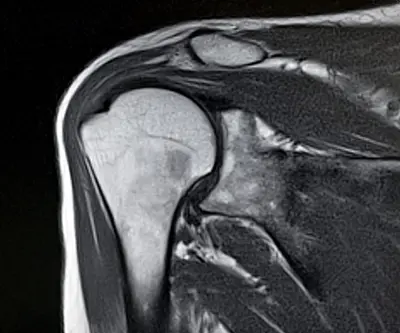
Diagnosis of Shoulder Labral Tears
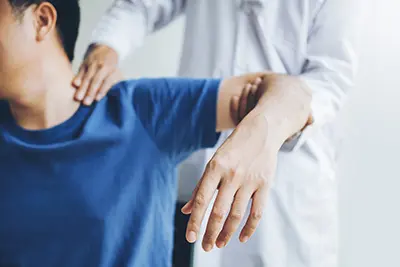
Diagnosis begins with a detailed history and physical examination. Your doctor may perform specific shoulder tests to assess motion and stability. Imaging such as X-rays, CT scans, or MRIs (often with contrast dye) may be used to confirm the presence and type of labral tear. Shoulder arthroscopy can also be performed for both diagnosis and treatment.
Conservative Treatment of Shoulder Labral Tears
Initial treatment typically includes rest, anti-inflammatory medications, and physical therapy focused on strengthening the rotator cuff muscles. If symptoms persist despite these measures, arthroscopic surgery may be recommended.

Surgical Treatment of Shoulder Labral Tears
During arthroscopic surgery for SLAP tears, the surgeon evaluates both the labrum and biceps tendon. If the damage is limited to the labrum, the torn portion may be trimmed or removed. When the biceps tendon is involved, sutures or absorbable anchors are used to reattach it.
For Bankart lesions, the surgeon reattaches the torn labrum and capsule to the front edge of the glenoid cavity using sutures or anchors placed arthroscopically through small incisions. The instruments are then removed, and the incisions are closed.
Postoperative Care for Shoulder Labrum Reconstruction
After surgery, the shoulder is immobilized in a sling for several days. Pain and swelling are managed with ice, gentle manual therapy, and electrical stimulation. Passive range-of-motion exercises begin early in recovery, followed by active exercises around six weeks post-surgery. Athletes can typically return to sports within approximately three months, depending on the extent of the repair and recovery progress.