Shoulder Replacement
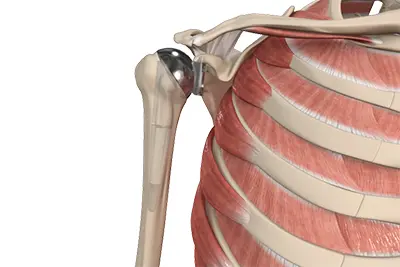
What is Shoulder Replacement?
The shoulder is a ball and socket joint that allows a wide range of motion in the arm. It is formed by the head of the humerus (upper arm bone) and a part of the scapula (shoulder blade) called the glenoid. Between these bones lies a layer of cartilage called the labrum, which helps the bones glide smoothly against each other and provides stability to the joint.
Shoulder replacement surgery may be necessary when this joint becomes severely damaged or arthritic, causing significant pain, stiffness, or loss of function that interferes with daily activities.
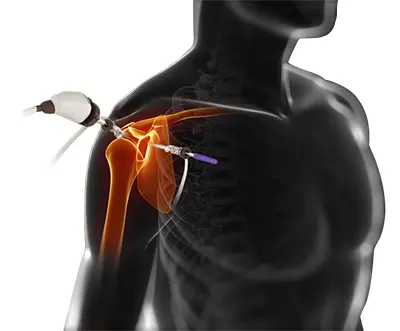
Indications for Shoulder Replacement Surgery
Shoulder replacement may be recommended for several conditions, including:
- Osteoarthritis: Degeneration of the cartilage leading to pain and stiffness.
- Inflammatory arthritis: Caused by autoimmune conditions such as rheumatoid arthritis or lupus.
- Severe shoulder trauma: Fractures or injuries that damage the joint beyond repair.
- Rotator cuff arthropathy: Combined damage to both the rotator cuff and joint surface.
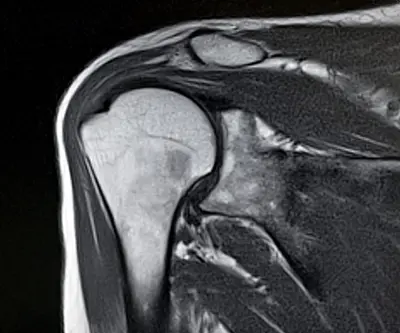
Description of Shoulder Replacement Surgery
Your orthopedic surgeon will determine the most appropriate type of shoulder replacement based on the specific damage, symptoms, and overall health of your shoulder. The main types of shoulder replacement procedures include:
- Total Shoulder Replacement (Anatomic Shoulder Replacement): The damaged humeral head is removed and replaced with a metal implant, while the glenoid surface is smoothed and fitted with a plastic cup. Together, these components recreate the ball-and-socket structure of the shoulder.
- Reverse Total Shoulder Replacement: Similar to a total replacement, but the ball and socket positions are switched—the ball is placed on the glenoid side, and the socket is attached to the humerus. This design allows the deltoid muscle to compensate for a damaged rotator cuff, making it ideal for patients with cuff tears, inflammatory arthritis, or limited shoulder strength, especially in older adults.
- Partial Shoulder Replacement (Hemiarthroplasty): Only the humeral head (ball) is replaced with a prosthesis, while the natural glenoid (socket) is left intact. This option is often used when the damage is confined to the humeral head or after certain fractures.