Revision Shoulder Surgery
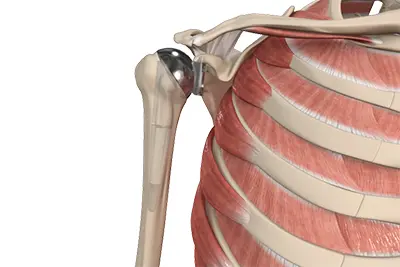
What is Revision Shoulder Surgery?
Both shoulder arthroscopy and shoulder replacement are highly successful procedures that provide excellent long-term outcomes for most patients. However, in some cases, a second surgery—known as a revision surgery—may be necessary.
A revision shoulder surgery is a subsequent operation performed when the primary procedure needs correction. The goal of revision surgery is to relieve persistent pain, improve shoulder function, and address any complications or limitations that remain after the initial operation.
Revision procedures can follow either a shoulder arthroscopy or a shoulder replacement, depending on the patient’s needs. These surgeries typically involve revising or reconstructing the shoulder anatomy or replacing implants that may have worn out, loosened, or failed from the initial procedure.
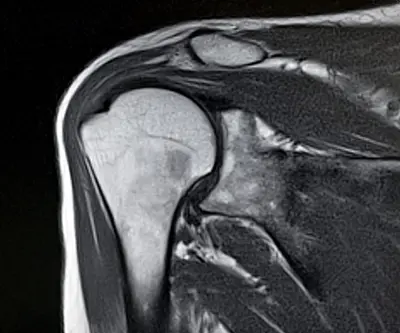
Indications for Revision Shoulder Surgery
There are several reasons why a patient might require revision shoulder surgery. The need for revision depends on the type of initial procedure performed—such as a shoulder arthroscopy or a total shoulder replacement—and the underlying cause of ongoing symptoms or complications.
Reasons for Revision Shoulder Arthroscopy
- Reinjury or trauma to the joint: A new injury or trauma to the shoulder can disrupt previous repairs and require further surgical intervention.
- Untreated shoulder impingement: If impingement was not adequately addressed during the initial arthroscopy, it can continue to damage the shoulder structures, necessitating revision surgery.
- Instability: Persistent or recurrent instability after the initial procedure may require revision surgery to restore shoulder stability.
- Osteoarthritis: Patients who had pre-existing arthritis at the time of their primary arthroscopy are at increased risk of needing additional surgery as the joint degenerates further.

Reasons for Revision Total Shoulder Replacement
- Fracture or trauma: A fracture involving the bones around the implant may displace or damage the prosthesis, requiring revision.
- Wear and tear of the implant: Over time, shoulder implants may deteriorate or wear out, especially in active individuals, leading to pain or dysfunction.
- Loosening, instability, or poor alignment of the implant: If the prosthetic components loosen, shift, or were not properly aligned during the first procedure, revision surgery may be necessary to correct the problem.

Description of Surgery
A revision shoulder arthroscopy or revision total shoulder replacement generally follows similar principles to the original surgery. However, these procedures are typically more complex, requiring advanced surgical planning and expertise. The specific surgical approach depends on factors such as the patient’s pain, shoulder function, implant status, and history of prior surgeries.
Citations & Further Reading
[1] Green A, Loyd K, Molino J, Evangelista P, Gallacher S, Adkins J. Long-term functional and structural outcome of rotator cuff repair in patients 60 years old or less. JSES Int. 2022 Oct 30;7(1):58-66. doi: 10.1016/j.jseint.2022.10.002. PMID: 36820436; PMCID: PMC9937847.
[2] Evans JP, Evans JT, Craig RS, Mohammmad HR, Sayers A, Blom AW, et al. How long does a shoulder replacement last? A systematic review and meta-analysis of case series and national registry reports with more than 10 years of follow-up. Lancet rhematology. 2022 Sep; 2(9): 539-548. Doi: 10.1016/S2665-9913(20)30226-5