Slipped Capital Femoral Epiphysis
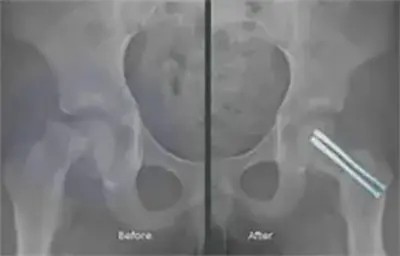
What is Slipped Capital Femoral Epiphysis (SCFE)?
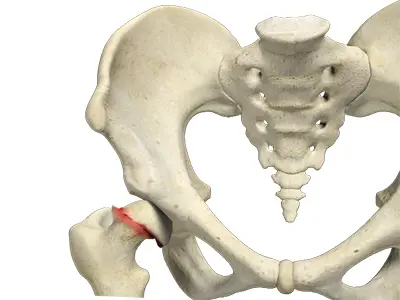
SCFE is a condition seen in preadolescents and adolescents where the femoral head (ball of the hip) slips out of alignment due to damage or weakness of the growth plate. This misalignment can disrupt blood flow to the hip and lead to pain and long-term joint problems. SCFE is more commonly seen in males between ages 10 and 15 and usually occurs without trauma or sports injury.
Causes of SCFE
SCFE is primarily caused by structural instability of the femoral growth plate during development. Risk factors include:
- Rapid growth during adolescence
- Open growth plates in the femoral head and neck
- Structural or biomechanical abnormalities
SCFE can be confused with other pediatric hip conditions such as: - Legg-Calve-Perthes Disease
- Hip dysplasia
- Osteomyelitis
- Severe adductor strains
- Femoral or acetabular fractures
Symptoms of SCFE
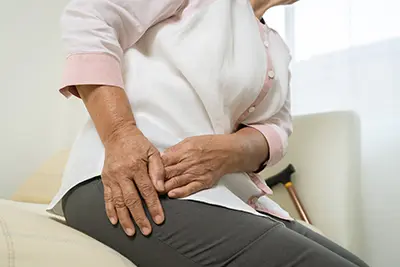
Symptoms may include:
- Pain with weight-bearing activities
- Gradual onset of hip or thigh pain over weeks or months
- Pain that worsens when standing
- Preference to sit with the affected leg crossed over the other

Diagnosis of SCFE
Diagnosis involves:
- Medical history and physical exam: To assess pain, range of motion, and gait
- X-rays: Detect slippage or growth plate abnormalities
- MRI: Detect early damage to bone, cartilage, or soft tissue
- CT scan: Detailed cross-sectional images for complex cases
- Ultrasound or bone scan: Evaluate bone health and growth plate integrity
- Diagnostic injections: Occasionally used to confirm pain sources

Conservative Treatments
For mild or early SCFE, non-surgical approaches may include:
- NSAIDs: Reduce pain and inflammation
- Rest and activity modification: Limit activities that stress the hip
- Physical therapy: Address muscle imbalances and improve hip function
- Weight-bearing modifications: Crutches or partial weight-bearing to protect the hip

Surgical Treatments
Surgery is often required for more severe or progressive SCFE:
- Acute SCFE:
- Closed reduction and internal fixation with percutaneous screw placement
- Open reduction and internal fixation if necessary
- Chronic SCFE:
- Hip arthroscopy
- Birmingham hip resurfacing
- Total hip arthroplasty
Postoperative recovery varies depending on procedure and severity, ranging from weeks to months, with physical therapy playing a key role in regaining hip function.