Avascular Necrosis
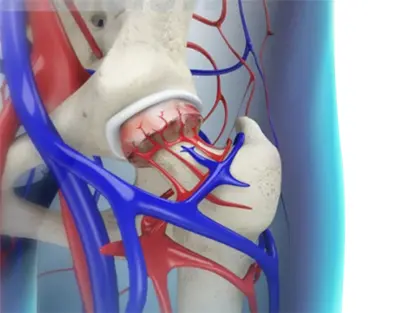
What is Avascular Necrosis?
Avascular necrosis (AVN), also called osteonecrosis, is a condition where bone tissue dies because it does not receive enough blood flow. This can happen when a bone fracture or joint dislocation damages nearby blood vessels. The hip joint is most commonly affected, particularly the head of the femur (thighbone), though the knee and shoulder can also be involved.

Factors That Can Lead To Avascular Necrosis
The most common risk factors for AVN include chronic use of high-dose steroid medications and heavy alcohol use. In some cases, the condition develops after an injury. Early in AVN, small breaks may appear in the bone, and over time the bone can collapse, causing significant pain.
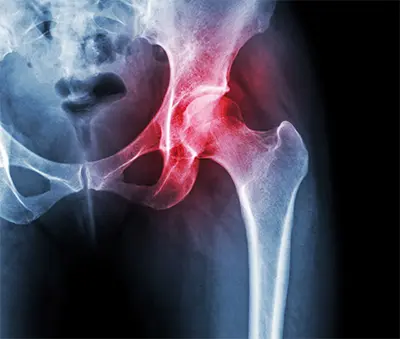
Symptoms of Avascular Necrosis
Symptoms may appear suddenly if caused by trauma, or gradually if the condition develops over time. Common symptoms include:
- Pain in the affected joint, often worsening with activity
- Stiffness or limited range of motion
- Difficulty bearing weight
Dr. Benjamin Domb and his team diagnose AVN using imaging techniques such as X-rays, MRI scans, and bone scans to confirm the condition and rule out other causes of joint pain.

Conservative Approaches
For early or mild AVN, conservative treatment options may be recommended:
- Medications: Non-steroidal anti-inflammatory drugs (NSAIDs) can help reduce pain and inflammation
- Rest: Limiting weight-bearing activities and using crutches may relieve stress on the joint
- Exercises: Gentle exercises to maintain range of motion are often recommended
- Electrical Stimulation: Electric currents can promote new bone growth and help replace damaged bone
Surgical Treatments
If conservative measures are not sufficient, surgical options may be considered:
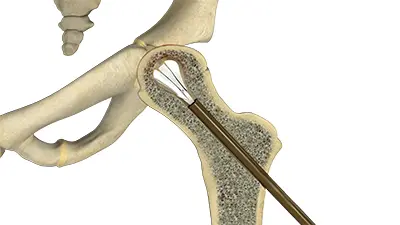
- Core Decompression: A portion of the inner bone is removed to relieve pressure, encourage blood vessel growth, and stimulate new bone formation. In the hip, this is often done through the neck of the femur to the femoral head and can be assisted arthroscopically.
- Bone Graft: Healthy bone from another part of the body or a donor can be used to replace the affected bone.
- Bone Reshaping (Osteotomy): In advanced cases, the bone is reshaped to reduce stress on the damaged area.
- Joint Replacement: Performed as a last resort if the femoral head has collapsed and cannot be repaired.
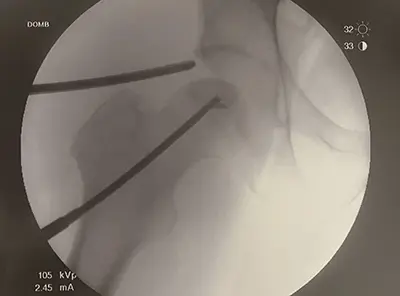
Advantages of Arthroscopic Core Decompression
Dr. Domb and his team often perform AVN treatment using an arthroscopic-assisted approach, which allows for:
- Minimally invasive surgery with smaller incisions
- Direct visualization of the cartilage in the femoral head before performing core decompression
- Precise targeting of the decompression to the affected area
- Safe placement of bone grafts or orthobiologics without entering the joint space
- Simultaneous treatment of other hip issues, such as labral tears or impingement
This approach helps patients preserve their hip joint and improves recovery outcomes while addressing multiple hip issues at once.