Cartilage Defects
What are Cartilage Defects?
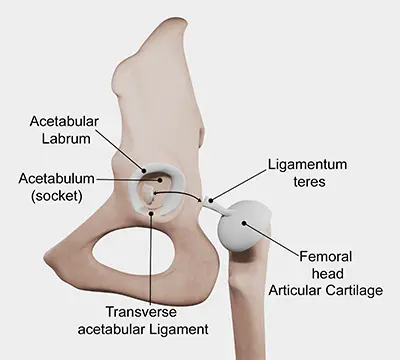
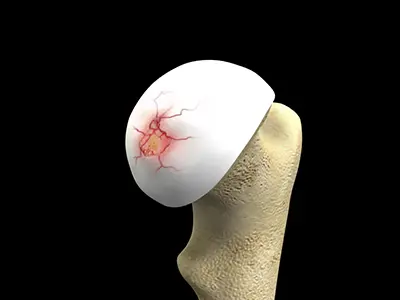
The hip is a ball-and-socket joint, where the femur (ball) fits into the acetabulum (socket). Both of these bones are covered with articular cartilage, a smooth tissue that allows the bones to move without friction or damage. When this cartilage becomes injured or worn, it is referred to as a cartilage defect.
Causes of Cartilage Defects
Cartilage defects can develop from a variety of conditions, including:
- Trauma or injury to the hip
- Femoroacetabular impingement (FAI)
- Hip dysplasia
- Slipped capital femoral epiphysis
- Avascular necrosis
- Arthritis
Dr. Benjamin Domb and his team carefully evaluate the cause of cartilage damage to tailor the best treatment plan for each patient.
Symptoms of Cartilage Defects
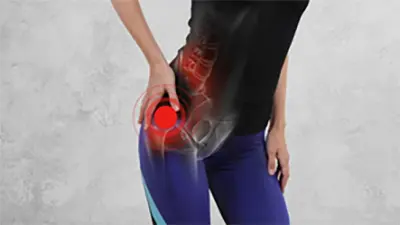
Patients with cartilage defects may experience:
- Significant hip pain
- Limited range of motion
- Discomfort with walking, standing, or activity
Diagnosis
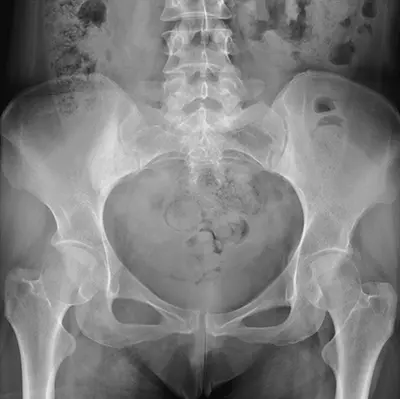
Diagnosing cartilage defects requires a thorough evaluation of symptoms, medical history, and physical examination. Dr. Domb may also use imaging tests to confirm the diagnosis, such as:
- MRI: Detects soft tissue and cartilage damage
- CT Scan: Provides detailed cross-sectional images of bone and cartilage
- X-rays: Identifies structural issues or stress fractures
- Ultrasound: Evaluates soft tissues surrounding the hip
Treatment Options
Treatment depends on the severity of the defect, patient age, and activity level.
Conservative treatments may include:
- Anti-inflammatory medications (NSAIDs) to reduce pain and swelling
- Rest and activity modification to limit stress on the hip
- Ice or heat therapy to relieve discomfort
- Injections, such as corticosteroids or platelet-rich plasma (PRP), to promote healing
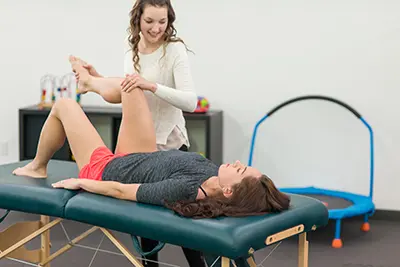
- Physical therapy to address muscular imbalances and improve function
Surgical Options
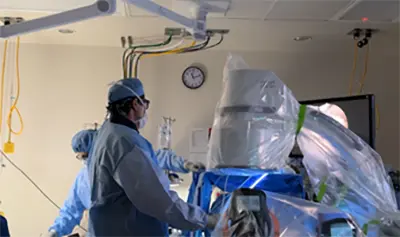
If non-surgical methods are not effective, Dr. Domb may recommend arthroscopic procedures such as microfracture. During microfracture, small holes are made in the bone at the site of cartilage damage to stimulate new cartilage growth. Following surgery, patients typically use crutches for approximately eight weeks to allow for proper healing and regeneration of the cartilage, supported by orthobiologics when appropriate.