IT Band Syndrome
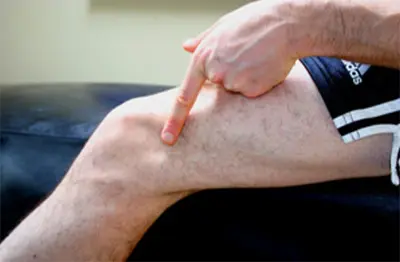
What is IT Band Syndrome?
IT band syndrome, also known as runner’s knee or iliotibial band friction syndrome, is a condition that causes pain along the outside of the hip, thigh, or knee. It occurs when the iliotibial (IT) band—a thick band of connective tissue running along the outside of the leg—experiences friction or pressure on nearby soft tissues. This condition is most common in athletes or individuals engaging in repetitive, high-impact activities such as running, cycling, or skiing.

Causes of IT Band Syndrome
IT band syndrome is primarily caused by overuse, where the lateral leg muscles are repeatedly subjected to stress. It is slightly more common in women and rarely seen in sedentary individuals. Other conditions that can mimic IT band syndrome include:
- Greater trochanter bursitis
- Strain or tear of the gluteus medius
- Lateral collateral ligament strain
- Muscular strain or tear in the quadriceps
- Sciatica
Dr. Benjamin Domb and his team evaluate each patient thoroughly to identify the true source of pain.

Symptoms of IT Band Syndrome
Symptoms may vary but often include:
- Pain on the outside of the thigh or knee
- Gradually worsening nagging pain
- Pain during or immediately after activity
- Tenderness along the side of the hip, thigh, or upper knee
- Pain that increases when running uphill or downhill
Diagnosis
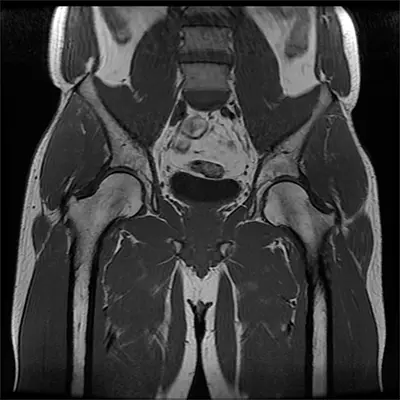
Because lateral hip, thigh, or knee pain can arise from multiple causes, accurate diagnosis is critical. Dr. Domb and his team use a combination of physical examination, medical history, and imaging tests, which may include:
- MRI Scan: Detects soft tissue, muscle, tendon, and ligament damage
- CT Scan: Provides detailed cross-sectional images of bone, cartilage, and soft tissue
- X-rays: Identifies stress fractures or bony deformities
- Ultrasound: Visualizes soft tissue structures
- Bone Scan: Detects bone damage
Treatment Options
Treatment depends on the severity of the condition and the patient’s activity level.
Conservative treatments may include:
- Anti-inflammatory medications (NSAIDs) to reduce pain and swelling
- Rest and activity modification to allow the IT band to heal
- Ice or heat therapy to relax muscles and reduce inflammation
- Injections, including corticosteroids or platelet-rich plasma (PRP), to relieve pain and promote healing
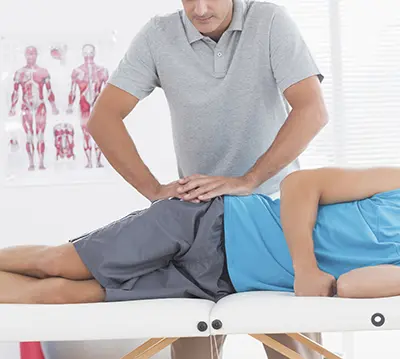
- Physical therapy to address muscle imbalances and strengthen the lateral leg muscles
Surgical treatment
If conservative approaches do not provide relief, Dr. Domb may recommend minimally invasive surgical options, such as:
- Iliotibial band release
- Iliotibial band lengthening
- Iliotibial band bursectomy
- Iliotibial band debridement
Recovery after surgery typically takes 6–8 weeks, with physical therapy to restore strength and function. Persistent symptoms may require additional treatments or therapeutic injections to achieve optimal results.