Loose Bodies
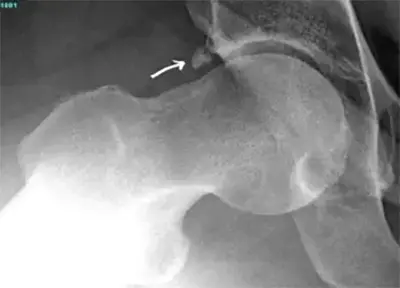
What is a Loose Body?
A loose body is a small piece of cartilage or bone that moves freely within the hip joint. Loose bodies can cause sharp pain, catching, or a sensation that the hip is giving way. They may develop after a previous hip injury, surgery, or reinjury.
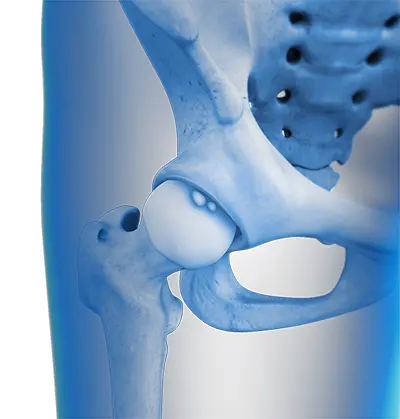
Causes of Loose Bodies
Loose bodies can form gradually over time or result from trauma. Common causes include:
- Arthritis and wear-and-tear in the hip joint
- Abnormal bony growths or bone fragments
- Avascular necrosis or other bone conditions
- Traumatic injuries, such as car accidents or sports-related trauma
Dr. Benjamin Domb and his team carefully evaluate the underlying cause to determine the most effective treatment.

Symptoms of Loose Bodies
Symptoms can vary but often include:
- Catching, locking, or giving way of the hip
- Dull aching after activity
- Pain with squatting or bending
- Popping or snapping sensations in the hip
Diagnosis
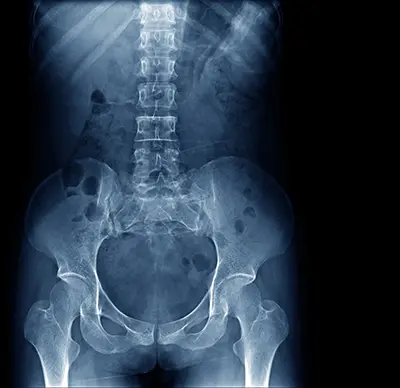
Diagnosis begins with a detailed medical history and physical examination. Dr. Domb and his team may also use imaging studies to confirm the presence of loose bodies:
- X-rays: Detect bone fragments and structural abnormalities
- MRI: Evaluates soft tissues and cartilage for associated damage
- Ultrasound: Visualizes soft tissue and movement of loose bodies within the joint
Treatment Options
Treatment depends on the severity of symptoms and the underlying cause.
Conservative options may include:
- Activity modification and rest
- Ice or heat therapy
- Anti-inflammatory medications (NSAIDs)
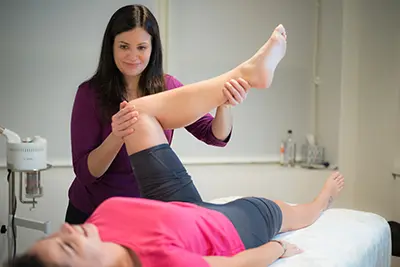
- Physical therapy
- Therapeutic injections, such as cortisone

Surgical options
If symptoms are significant or conservative treatments fail, Dr. Domb may recommend minimally invasive surgery to:
- Remove loose bodies, with or without synovectomy
- Repair or reconstruct the labrum if it is damaged
- Reshape bony structures through femoroplasty or acetabuloplasty
After surgery, a structured rehabilitation plan helps restore mobility, strength, and function. Recovery typically ranges from several weeks to a few months, depending on the procedures performed.