Meniscal Tears
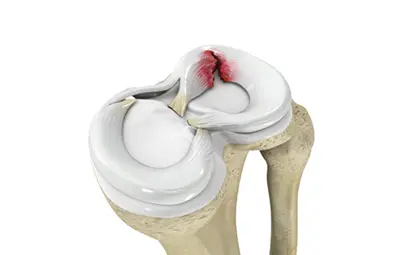
What is Meniscus?
The knee has two wedge-shaped pieces of cartilage called menisci (singular: meniscus), located between the thighbone (femur) and the shinbone (tibia). These menisci act as shock absorbers and help stabilize the knee joint during movement.
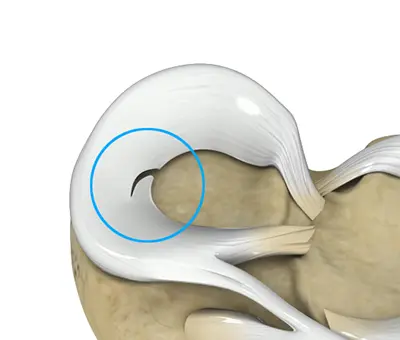
What is a Meniscal Tear?
A meniscal tear is a common knee injury, especially in athletes and people involved in contact sports. It usually occurs from a sudden twist or bend of the knee. In older adults, meniscal tears can happen gradually as the cartilage weakens with age.

Symptoms of Meniscal Tears
A torn meniscus may cause:
- Knee pain, swelling, or stiffness
- Catching, locking, or a “giving way” sensation
- Difficulty moving the knee through its full range of motion
Diagnosis of Meniscal Tears
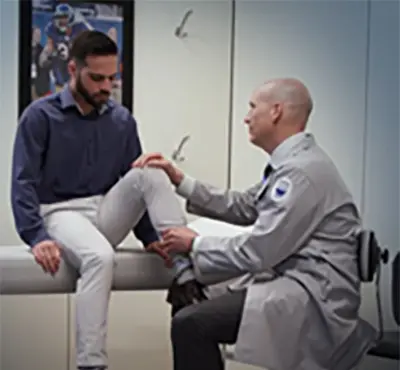
Your doctor will review your medical history, perform a physical exam, and may order imaging tests to determine the type, location, and severity of the tear.
Treatment of Meniscal Tears
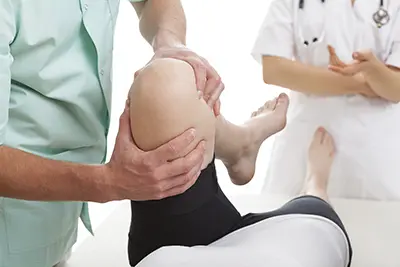
Treatment depends on the type, size, and location of the tear, as well as your age and activity level.
- Non-surgical treatment: Small tears on the outer edge of the meniscus may heal on their own with rest, activity modification, and physical therapy.
- Surgical treatment: If symptoms persist or the tear is significant, surgery may be recommended.
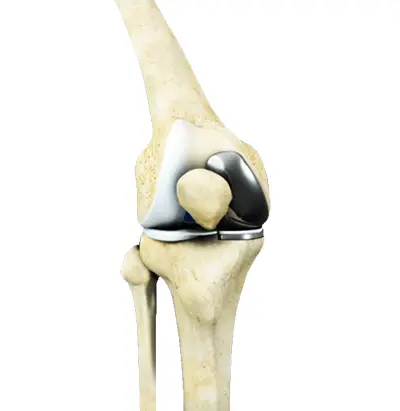
Surgical Options
Knee arthroscopy is a minimally invasive procedure used to treat meniscal tears:
- Meniscectomy: The torn portion of the meniscus is removed using small instruments.
- Meniscus repair: The torn meniscus is sutured or pinned to promote healing.
- Meniscus replacement or transplantation: In some cases, a donor meniscus or lab-grown cartilage may replace the damaged tissue, especially if the meniscus has been mostly removed previously.
Surgery is usually followed by physical therapy to restore knee strength, flexibility, and function.