Snapping Hip
What is Snapping Hip Syndrome?
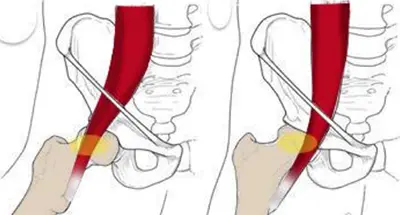
Snapping hip syndrome, also known as dancer’s hip or coxa saltans, is a condition characterized by a noticeable snapping or popping sensation in the region of the hip. The snapping occurs when muscles or tendons slide over bony ridges of the hip. About five to ten percent of the population experiences snapping hip syndrome, and most feel no pain. However, when pain accompanies the snapping, it is often due to overuse or irritation of the involved structures. This is common among dancers, runners, and athletes who perform repetitive hip motions.
There are two main types of snapping hip syndrome: external and internal. External snapping occurs when the iliotibial band slides over a bony ridge on the outer thigh called the greater trochanter. Internal snapping hip syndrome occurs when the hip flexor tendon slides over the front of the hip joint.
Causes of Snapping Hip Syndrome
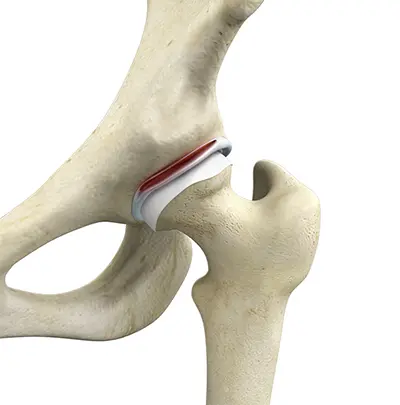
Painful snapping hip syndrome is most often caused by overuse, when tendons and muscles repeatedly glide over bony ridges and become irritated. Activities that involve frequent hip rotation, high impact, or extensive range of motion can lead to painful snapping hip.
The condition is slightly more common in women and rare in sedentary individuals. Nearly 90 percent of ballerinas experience some form of snapping hip during their careers. Snapping hip syndrome can also be associated with other conditions such as bursitis, labral tears, muscular strain, femoroacetabular impingement, loose bodies, or muscle imbalances.

Symptoms of Snapping Hip Syndrome
Symptoms can vary depending on the underlying cause and severity. Common signs may include:
- A snapping or popping sensation around the hip
- Localized pain at the site of the snapping
- A feeling of “clunking” during a straight leg raise
- Stiffness or apprehension when moving the leg through a full range of motion
- Irritation or soreness after physical activity
If these symptoms persist, Dr. Domb and his team of specialists can perform a thorough evaluation to determine the cause and recommend appropriate treatment.
Diagnosis of Snapping Hip Syndrome
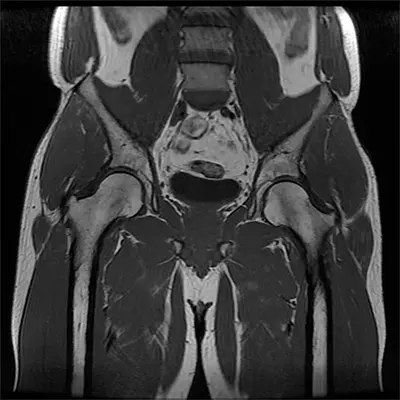
Diagnosing snapping hip syndrome begins with a detailed medical history and physical examination. Dr. Domb and his team may use several imaging techniques to identify the source of the snapping, including:
- MRI Scan: Detects soft tissue irritation, inflammation, or bursitis.
- CT Scan: Produces detailed cross-sectional images of bones and soft tissues.
- X-rays: Identifies bony deformities or stress fractures.
- Ultrasound: Allows dynamic visualization of tendons moving over bone during motion.
These tests help pinpoint the exact structure involved and rule out other causes of hip pain.

Conservative treatments
Most cases of snapping hip syndrome improve with non-surgical management. Dr. Domb and his team may recommend:
- Anti-inflammatory medications to reduce pain and swelling
- Rest and activity modification to allow tissues to heal
- Ice or heat therapy for symptom relief
- Image-guided injections such as cortisone or platelet-rich plasma (PRP)
- Physical therapy to address muscle imbalances and restore flexibility and strength
Surgical Treatment
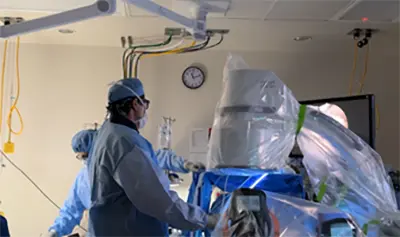
If conservative measures do not relieve symptoms, surgical options may be considered. Depending on the findings, Dr. Domb may recommend one or more of the following procedures:
- Iliopsoas fractional lengthening
- Iliopsoas bursectomy
- Iliotibial band release
- Iliopsoas tunnel deepening
- Gluteus maximus release
Recovery time varies depending on the procedure performed. Rehabilitation may take several weeks to months, with physical therapy playing a key role in restoring motion and strength.