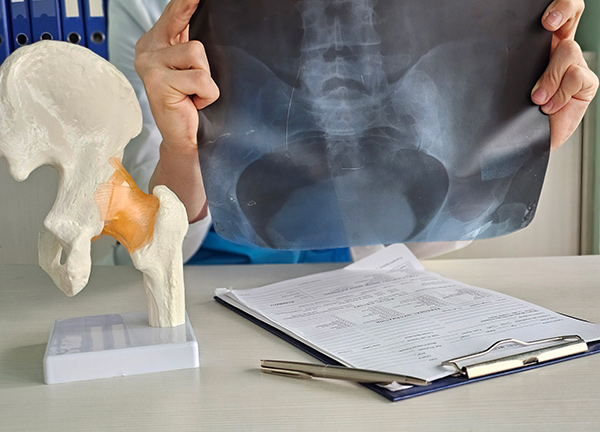
Successful hip surgery begins long before a patient enters the operating room. The procedure itself may last only a few hours, but the decisions that shape surgical outcomes are often made weeks in advance. Understanding how surgeons plan hip surgery offers insight into why outcomes can vary and why preparation matters.
Why Preoperative Planning Is Critical in Hip Preservation
Hip pathology is rarely one-dimensional. Conditions such as femoroacetabular impingement (FAI), labral tears, instability, and cartilage damage often coexist. Without a comprehensive plan that accounts for all contributing factors, even technically sound surgery may fall short. Preoperative planning allows surgeons to identify the root causes of hip pain rather than addressing isolated findings.
Advanced Hip Imaging Guides Surgical Strategy
High-resolution MRI, CT scans, and three-dimensional imaging provide detailed insight into both soft tissue and bony anatomy. These tools allow surgeons to assess labral integrity, cartilage health, femoral and acetabular morphology, and subtle signs of instability. By analyzing these images before surgery, surgeons can map out the extent of correction needed during the procedure.
Presurgical Planning for Robotic Hip Replacement
Preoperative planning becomes even more critical when robotic-assisted technology is used. Detailed CT-based planning allows surgeons to create a digital model of the patient’s anatomy before surgery. This enables precise preoperative decisions regarding implant size, positioning, leg length restoration, and joint alignment. By planning these parameters in advance, robotic hip replacement aims to improve accuracy, consistency, and joint mechanics while minimizing variability during surgery.
Biomechanical Analysis Shapes Surgical Decisions
Beyond imaging, understanding how the hip functions during movement is essential. Abnormal joint loading, range-of-motion limitations, and instability patterns all influence surgical planning. Evaluating biomechanics helps determine whether bony reshaping, labral repair, capsular management, or a combination of techniques is required to restore stability and function.
Planning for Rehabilitation and Recovery after Hip Surgery
Surgical planning does not stop at the procedure itself. Decisions made before surgery influence postoperative rehabilitation protocols, weight-bearing progression, and return-to-activity timelines. When the surgical plan aligns with rehabilitation strategies, recovery tends to be smoother and more predictable.
Personalized Surgical Planning for Each Patient
No two hips are exactly alike. Factors such as age, activity level, joint laxity, and athletic demands influence surgical decision-making. A treatment plan appropriate for a competitive athlete may differ significantly from that of a less active individual. Personalized planning ensures that surgery is tailored to the patient’s anatomy and goals, rather than applying a one-size-fits-all approach.
At the American Hip Institute, preoperative planning is a cornerstone of hip preservation. By integrating advanced imaging, biomechanical assessment, and individualized surgical strategy, we aim to address both the structural and functional drivers of hip pain. This research-driven approach ensures that each surgery is guided by preparation, precision, and a commitment to long-term joint health.
Frequently Asked Questions (FAQs)
Why is preoperative planning so important before hip surgery?
Preoperative planning allows surgeons to fully understand the structural and biomechanical causes of hip pain before entering the operating room. By identifying coexisting issues, such as femoroacetabular impingement, labral injury, instability, or cartilage damage, surgeons can create a comprehensive strategy that improves accuracy, efficiency, and long-term outcomes.
What imaging tests are typically used to plan hip surgery?
Planning commonly includes MRI, CT scans, and sometimes three-dimensional imaging. These studies help evaluate soft tissue health, bone shape, joint alignment, and subtle instability patterns that may not be visible on standard X-rays.
How does robotic technology change hip replacement planning?
Robotic-assisted hip replacement uses CT-based digital modeling to determine implant size, positioning, leg length, and alignment before surgery begins. This detailed preparation helps improve precision, consistency, and joint mechanics during the procedure.
Do all patients receive the same surgical plan?
No. Surgical planning is highly individualized and takes into account age, activity level, joint laxity, anatomy, and athletic goals. Personalized planning helps ensure the procedure matches each patient’s functional needs rather than relying on a standard approach.
How does biomechanics influence surgical decisions?
Understanding how the hip moves during walking, sitting, and athletic activity helps surgeons determine whether treatment should include bone reshaping, labral repair, capsular management, or a combination of techniques to restore stability and function.
Is rehabilitation planning part of preoperative preparation?
Yes. Surgeons often outline postoperative rehabilitation protocols, weight-bearing progression, and return-to-activity timelines before surgery. Aligning surgical technique with rehabilitation planning can lead to smoother recovery and more predictable outcomes.
Where can patients receive specialized hip preservation evaluation?
Centers focused on advanced hip preservation, such as the American Hip Institute, use detailed imaging, biomechanical analysis, and personalized surgical planning to help optimize long-term joint health.
Hear From Our Patients
Choosing the right surgeon for hip preservation or joint replacement is a deeply personal decision. Hearing from individuals who have experienced thoughtful preoperative planning and personalized care can offer reassurance as you consider treatment options.
We invite you to explore patient experiences to better understand our commitment to precision planning, patient-centered care, and lasting joint health.
Reference Links:
- Computerised tomography-based planning with conventional total hip arthroplasty versus robotic-arm assisted total hip arthroplasty - PubMed Central
- Hip-preserving treatment of early ONFH via arthroscopy - PubMed Central
AUTHOR: Mark F. Schinsky, MD, FAAOS, CIME – Orthopedic Hip & Knee Replacement Surgeon
Mark F. Schinsky, M.D., FAAOS, CIME is a fellowship-trained, board-certified orthopedic surgeon specializing in adult reconstructive orthopaedic surgery, hip replacement, knee replacement, and regenerative medicine. He serves as Director of Complex Hip & Knee Replacement and is recognized for advanced expertise in minimally invasive, complex primary, and revision total joint replacement procedures.
Credentials & Recognition
Dr. Schinsky earned his medical degree from the Columbia University College of Physicians & Surgeons and completed elite orthopaedic training at Barnes-Jewish Hospital affiliated with Washington University in St. Louis, as well as RUSH University.
With extensive clinical experience and thousands of successful hip and knee replacements performed, Dr. Schinsky is widely respected for his precision, surgical judgment, and commitment to improving patient mobility and quality of life. He has also contributed to the design of innovative orthopaedic implants and regularly travels nationally and internationally to educate surgeons on the latest joint replacement technologies and surgical techniques.
Clinical Expertise
Dr. Schinsky focuses on minimally invasive joint replacement, complex primary and revision hip and knee arthroplasty, and advanced reconstructive procedures tailored to each patient’s anatomy and functional goals. He treats patients from the Chicagoland region and across the country who seek specialized expertise in complex joint reconstruction. His patient-centered approach emphasizes individualized care, modern surgical technology, and comprehensive recovery planning to restore long-term function and independence.
Medical Disclaimer: This information is provided for educational purposes only and does not constitute medical advice. For diagnosis and treatment recommendations, please consult with Dr. Schinsky or another qualified orthopedic specialist at the American Hip Institute.
Content authored by Dr. Schinsky and verified against official sources.
AUTHOR: Dr. Benjamin G. Domb, M.D., ABOS, ABIME – Orthopedic Hip Surgeon & Sports Medicine Specialist
Benjamin G. Domb, M.D., ABOS, ABIME is a nationally recognized orthopedic surgeon specializing in sports medicine, hip arthroscopy, and minimally invasive hip preservation. He serves as Medical Director of the American Hip Institute and Chair and Fellowship Director of the American Hip Institute Research Foundation, where he leads innovation in joint preservation and advanced hip care.
Credentials & Recognition
Dr. Domb graduated with honors from Princeton University and earned his medical degree from the Johns Hopkins School of Medicine, one of the nation’s top-ranked medical programs. He has been recognized among the Top Doctors in the United States by major national publications and physician-review organizations, reflecting his reputation as one of the most experienced hip surgeons worldwide.
He is the Founder and Fellowship Chair of the American Hip Institute Research Foundation, a nonprofit organization dedicated to advancing research, education, and innovation in hip preservation surgery. Dr. Domb has authored more than 500 scientific publications, developed numerous surgical techniques, and trained dozens of orthopedic surgeons practicing across the globe.
Clinical Expertise
Dr. Domb focuses on minimally invasive hip arthroscopy, complex hip preservation, and sports-related hip injuries. He has treated professional and Olympic athletes from major leagues, including the NFL, NBA, and NHL, and previously served as Head Team Physician for the Chicago Sky. Patients from across the country travel to Chicago for his expertise in advanced hip surgery, where he applies the same high standard of individualized care used for elite athletes to every patient he treats.
Medical Disclaimer: This information is provided for educational purposes only and does not constitute medical advice. For diagnosis and treatment recommendations, please consult with Dr. Domb or another qualified orthopedic specialist at the American Hip Institute.
Content authored by Dr. Domb and verified against official sources.