We often treat our joints like tires, expecting them to wear down eventually, regardless of how we drive. But for your hips, premature wear isn't just an inevitable byproduct of aging; it’s a mechanical failure often rooted in subtle structural flaws. Understanding the intricate relationship between bone shape and movement is the first step toward avoiding a lifetime of chronic pain.
The Precision Engineering of the Human Hip
The hip is a marvel of biological engineering. As a ball-and-socket joint, it relies on a near-perfect fit between the femoral head and the acetabulum (the socket). When this fit is precise, the load is distributed evenly across the articular cartilage. However, even a few millimeters of deviation can change the physics of the joint.
In biomechanics, we look at the center-edge angle and femoral neck-shaft angle. If these angles are off, the joint experiences point loading, which is concentrated pressure on a small area rather than a distributed load. Over time, this mechanical stress leads to labral tears and early-onset osteoarthritis.
Hip Dysplasia and Impingement: The Silent Misalignments
Two primary structural issues dictate the "expiration date" of a hip joint: Hip Dysplasia and Femoral Acetabular Impingement (FAI).
- Dysplasia: This occurs when the socket is too shallow, providing inadequate coverage for the ball. The result? The soft tissues (the labrum) have to work overtime to keep the joint stable, leading to rapid degeneration.
- FAI (Impingement): This is the opposite problem, too much bone. Either the ball is misshapen (Cam), or the socket rim is too deep (Pincer). During movement, these bony prominences collide, "pinching" the cartilage.
The danger of these conditions is that they often stay "silent" until the damage is already significant. Alignment isn't just a physical trait; it’s a predictor of joint longevity.
Why Strengthening the Hip Muscles Isn't a Cure-All
A common misconception is that stronger glutes will fix any hip issue. While muscular support is vital for stabilizing the pelvis, it cannot rewrite the laws of physics if the underlying bone structure is misaligned.
Imagine a car with a bent frame. You can put the best tires in the world on it, but they will still wear unevenly because the geometry is wrong. In the same vein, hip preservation surgery focuses on "realigning the frame" correcting the bony architecture so that your muscles can actually do their job without fighting against friction.
The Future of Hip Preservation
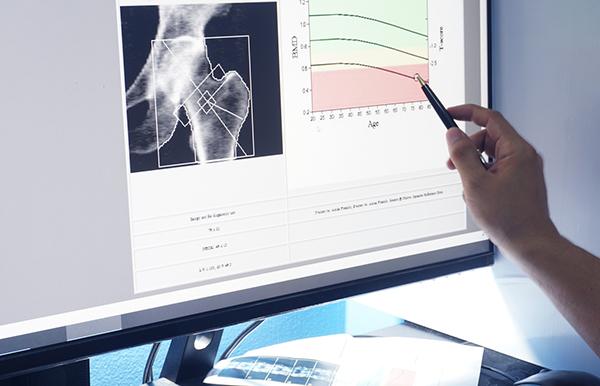
The goal of modern orthopedics has shifted from replacing joints to preserving them. By utilizing advanced imaging, we can now identify these mechanical flaws in young athletes and active adults before the cartilage is gone. Early intervention, such as a periacetabular osteotomy (PAO) or arthroscopic reshaping, can effectively "reset the clock" on a hip.
Frequently Asked Questions
- What are the early signs of hip misalignment?
Early symptoms often include a persistent ache in the "C-shaped" area of the hip, the groin, side, and buttock. You might also experience a sharp, catching sensation or a dull throb after sitting for long periods or during deep activities like squats and lunges.
- Can hip alignment issues be fixed without surgery?
While physical therapy can strengthen supporting muscles and improve mobility, it cannot change the shape of the bone. For structural issues like dysplasia or FAI, conservative management focuses on symptom control, whereas surgery aims to correct the underlying biomechanical cause.
- At what age should I consider hip preservation?
Hip preservation is most effective in adolescents and young-to-middle-aged adults (typically under 45) before significant osteoarthritis has developed. The goal is to intervene early to prevent the need for a total hip replacement later in life.
- How is hip impingement (FAI) diagnosed?
Diagnosis usually starts with a clinical exam and a review of your symptoms. To confirm the "why" behind the pain, specialists use X-rays to see bone shape and MRIs (often with contrast) to check for damage to the labrum or cartilage.
- What is the difference between hip preservation and hip replacement?
Hip replacement removes the damaged joint and replaces it with an artificial one. Hip preservation, on the other hand, involves "remodeling" your natural joint, reshaping the bone or repairing soft tissue, to restore proper mechanics and keep your original anatomy intact.
Reference Links:
- Current Concepts in Hip Preservation Surgery - PubMed Central
- Hip Anatomy and Biomechanics Relevant to Hip Replacement - National Library of Medicine
AUTHOR: Benjamin D. Kuhns, MD, MS – Orthopedic Hip Surgeon & Research Director
Benjamin D. Kuhns, MD, MS is a board-certified orthopedic surgeon and Director of Research at the American Hip Institute in Des Plaines and Chicago, Illinois. He specializes in comprehensive hip care, including hip preservation, arthroscopy, open osteotomies, and primary and revision anterior approach hip arthroplasty. Dr. Kuhns also incorporates regenerative medicine techniques into personalized treatment strategies designed to restore function and accelerate return to activity.
Credentials & Recognition
Dr. Kuhns completed his Bachelor of Arts at Colgate University with a major in chemistry and a minor in history, followed by a Master of Science in Neuroscience from Northwestern University. He earned his medical degree from Case Western Reserve University School of Medicine, graduating with distinction in research and being inducted into the Alpha Omega Alpha honor society. He then completed orthopedic residency training at the University of Rochester Medical Center, where he received the Kenneth DeHaven Research Award for work linking femoroacetabular impingement to hip osteoarthritis. Following residency, Dr. Kuhns pursued fellowship training in adult hip preservation and reconstruction at The Steadman Clinic and completed advanced hip preservation training at the American Hip Institute. He has authored more than 40 peer-reviewed articles and book chapters on hip dysfunction and surgical management.
Clinical Expertise
Dr. Kuhns’ clinical focus includes non-operative management of hip pain through targeted physical therapy and injections, complex primary and revision hip arthroscopy, open hip preservation including periacetabular and femoral osteotomies, and robotic anterior approach total hip arthroplasty. In his role as a surgeon and researcher, he collaborates closely with patients to craft customized treatment plans aimed at optimizing functional outcomes and helping individuals return to the activities they enjoy, regardless of age. He is an active member of professional organizations, including the American Academy of Orthopaedic Surgeons and The Hip Preservation Society (ISHA).
Medical Disclaimer: This information is for educational purposes only and does not constitute medical advice. For diagnosis and treatment recommendations, please consult with Dr. Kuhns or another qualified orthopedic specialist at the American Hip Institute.
Content authored by Dr. Kuhns and verified against official sources.
AUTHOR: Dr. Benjamin G. Domb, M.D., ABOS, ABIME – Orthopedic Hip Surgeon & Sports Medicine Specialist
Benjamin G. Domb, M.D., ABOS, ABIME is a nationally recognized orthopedic surgeon specializing in sports medicine, hip arthroscopy, and minimally invasive hip preservation. He serves as Medical Director of the American Hip Institute and Chair and Fellowship Director of the American Hip Institute Research Foundation, where he leads innovation in joint preservation and advanced hip care.
Credentials & Recognition
Dr. Domb graduated with honors from Princeton University and earned his medical degree from the Johns Hopkins School of Medicine, one of the nation’s top-ranked medical programs. He has been recognized among the Top Doctors in the United States by major national publications and physician-review organizations, reflecting his reputation as one of the most experienced hip surgeons worldwide.
He is the Founder and Fellowship Chair of the American Hip Institute Research Foundation, a nonprofit organization dedicated to advancing research, education, and innovation in hip preservation surgery. Dr. Domb has authored more than 500 scientific publications, developed numerous surgical techniques, and trained dozens of orthopedic surgeons practicing across the globe.
Clinical Expertise
Dr. Domb focuses on minimally invasive hip arthroscopy, complex hip preservation, and sports-related hip injuries. He has treated professional and Olympic athletes from major leagues, including the NFL, NBA, and NHL, and previously served as Head Team Physician for the Chicago Sky. Patients from across the country travel to Chicago for his expertise in advanced hip surgery, where he applies the same high standard of individualized care used for elite athletes to every patient he treats.
Medical Disclaimer: This information is provided for educational purposes only and does not constitute medical advice. For diagnosis and treatment recommendations, please consult with Dr. Domb or another qualified orthopedic specialist at the American Hip Institute.
Content authored by Dr. Domb and verified against official sources.