Ehlers Danlos Syndrome
What is Ehlers Danlos Syndrome?
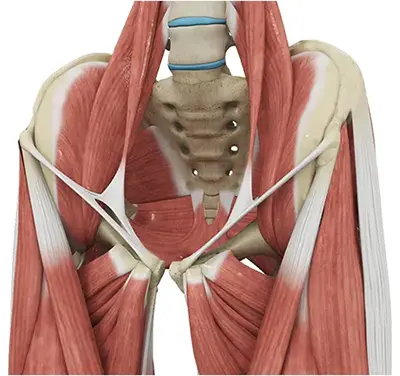
Ehlers-Danlos Syndrome (EDS) is a genetic condition that affects the connective tissues throughout the body, making them unusually flexible and elastic. Because it affects multiple organ systems, EDS can cause complications beyond the musculoskeletal system, but in orthopedics, it often leads to joint hypermobility, instability, and chronic pain.

Causes of Ehlers Danlos Syndrome
EDS is congenital, caused by genetic variations that affect collagen production. Collagen is a protein that provides strength and stability to soft tissues. In patients with EDS, soft tissues are overly elastic and cannot safely absorb force, which can lead to frequent joint dislocations, muscle or ligament injuries, and chronic joint pain. EDS can sometimes be confused with:
- Traumatic injuries
- Hip dysplasia
- Muscular weakness or instability
- Torn muscles, tendons, or ligaments

Symptoms of Ehlers-Danlos Syndrome
Patients with EDS often experience:
- Hypermobile (double-jointed) joints
- Frequent joint dislocations
- High overall flexibility
- Instability of joints
- Pain after activities requiring extreme ranges of motion

Diagnosis of Ehlers-Danlos Syndrome
EDS is diagnosed through a combination of medical history, physical examination, and specialized testing. Common tools include:
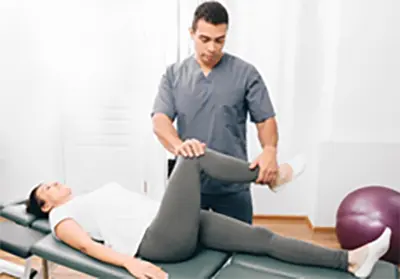
Physical Examination: The Beighton Score assesses joint flexibility and helps determine the degree of hypermobility.
Conservative Treatments
EDS management typically starts with non-surgical approaches:
- Anti-Inflammatory Medication: Non-steroidal anti-inflammatory drugs (NSAIDs) can help control pain and inflammation.
- Rest and Activity Modification: Avoiding extreme ranges of motion or high-risk activities can reduce joint strain.
- Ice or heat therapy: Helps alleviate pain and muscle tension.
- Physical Therapy: Strengthening muscles, improving balance, and correcting muscular imbalances can improve stability.
- Orthobiologic Injections: May be used to promote healing in joints or tissues stressed by hypermobility.
Surgical Treatment
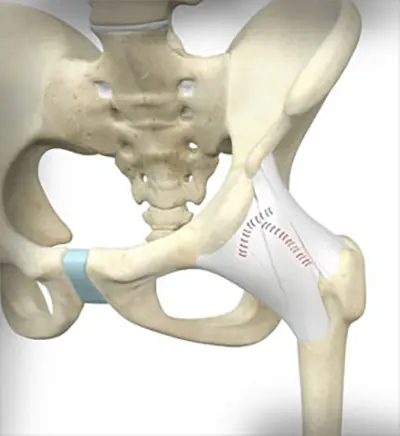
If conservative measures fail, surgery may be necessary to stabilize hypermobile joints or repair damaged structures. Surgical options may include:
- Capsular repair, reconstruction, or plication
- Ligamentum teres reconstruction
- Labral reconstruction
Rehabilitation after surgery typically lasts 6–8 weeks. Persistent pain may require additional procedures, injections, or ongoing physical therapy.