Endoscopic Hip Tendon Repair
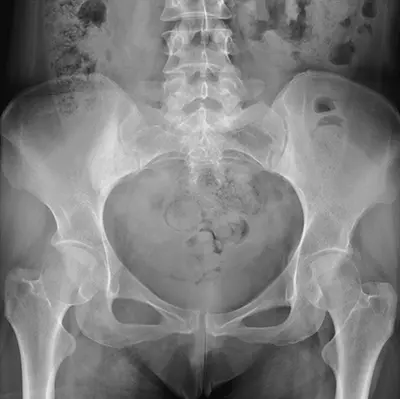
What are Hip Tendon Tears & Injuries?
The hip joint is supported by various muscles and tendons, making it one of the most stable joints in the body. Tendons connect muscle to bone and allow proper movement. When damaged or irritated, tendons can cause significant pain and limit mobility.
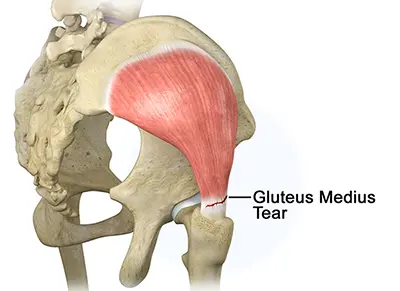
Tendon Tears
- Gluteus medius tendon tears: The gluteus medius tendon connects the gluteus medius muscle to the femur at the greater trochanter. A tear may detach the tendon from the bone.
- Hamstring tendon tears: A proximal hamstring injury occurs when the hamstring muscles are no longer connected to the pelvic bone.
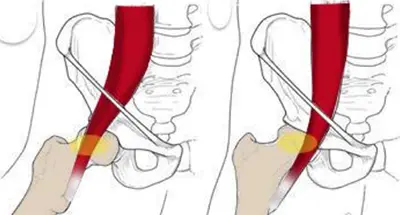
Overuse Tendon Injuries
- Iliotibial band syndrome: The IT band runs along the outer portion of the leg and can become irritated from repetitive motions, causing pain.
- Snapping hip syndrome: Internal snapping hip syndrome, or iliopsoas impingement, occurs when the tendon of the hip flexor muscle (iliopsoas) repeatedly slides over the front of the hip, leading to irritation.
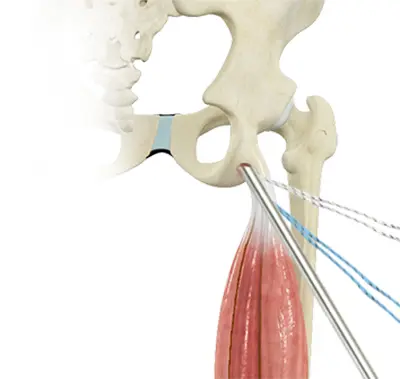
What is Endoscopic Repair?
Endoscopy is a minimally invasive procedure where a small tube with a camera is inserted near the injured area. This allows the surgeon to visualize the extent of tendon injury and perform repairs.
- Torn tendons, such as gluteus medius or hamstring tears, are reattached to the bone to restore function.
- Overuse injuries, such as IT band syndrome or iliopsoas impingement, may be treated with a release or lengthening procedure to reduce irritation and compression on the tendon

Post-Operative Care
Post-operative instructions vary depending on the injury location and type of procedure. Care may include taking prescribed pain medications, avoiding smoking, limiting certain movements, and using walking-assisting devices.