Hip Preservation Surgery
What is Hip Preservation Surgery?
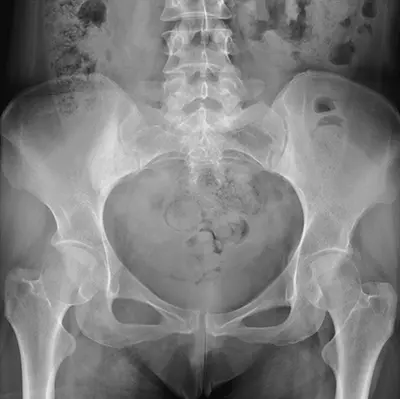
The hip joint is made up of the head of the femur (thigh bone) and the acetabulum (pelvis). Cartilage lies between these bones, allowing smooth, frictionless movement. When cartilage is damaged, friction occurs in the joint, causing pain and inflammation. Severe damage can result in bone-on-bone contact and limited mobility.
Older patients may be treated with total hip replacement, which replaces the joint with an implant. Total hip replacement is generally not recommended for younger patients, as wear over time may require revision surgery. Hip preservation surgery offers an alternative for younger patients with hip conditions.
Types of Hip Preservation Surgeries
- Hip Arthroscopy: Treats conditions such as labral tears, femoroacetabular impingement syndrome, loose bodies, and cartilage damage
- Femoral Osteotomy: Corrects bony abnormalities of the hip by making cuts in the femur to restore anatomy and improve function.
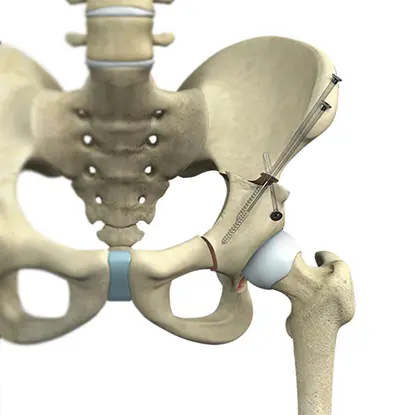
- Periacetabular Osteotomy: Treats hip dysplasia by rotating the hip socket to better cover the femoral head.
- Core Decompression: Treats avascular necrosis, a condition where insufficient blood supply to the femoral head causes bone death. The procedure drills through the femoral neck to stimulate blood flow to the affected area.

Post Operative Care
Post-operative instructions vary depending on the type of hip preservation surgery. Typically, care involves following prescribed medications, participating in physical therapy, and avoiding certain activities to promote healing.