Perthes Disease
What is Perthes Disease?
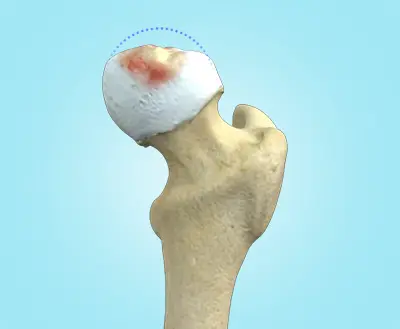
Perthes disease, also called Legg-Calvé-Perthes disease, is a condition that affects the development of the hip in children ages 3 to 12. It occurs when blood flow to the femoral head (the ball of the hip) is disrupted, leading to abnormal growth and shape of the femoral head and hip socket (acetabulum). Boys are four to five times more likely to develop this condition than girls. If left untreated, Perthes disease can lead to early-onset arthritis, pain, and hip dysfunction. While the exact cause is unknown, trauma, circulation issues, and genetics may contribute to the condition.
Causes of Perthes Disease
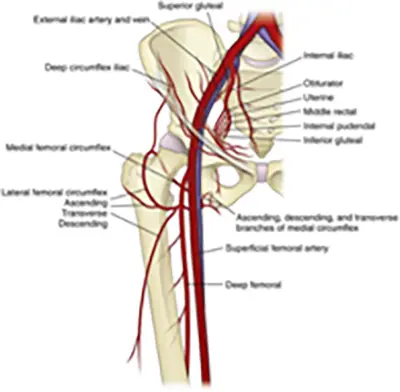
Perthes disease arises from inadequate blood flow to the femoral head, which causes faulty development of the hip joint. The resulting deformities can cause chronic pain, stiffness, and early-onset arthritis. Perthes disease can also coexist with other hip problems, such as:
- Femoroacetabular impingement
- Groin muscle tear
- Ischiofemoral impingement
- Labral tears
- Hip flexor tendonitis
Symptoms of Perthes Disease
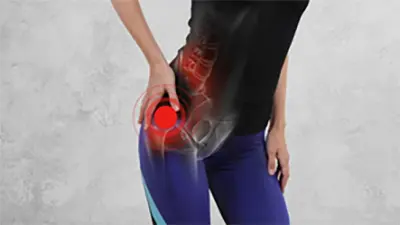
Symptoms can vary and may include:
- Pain in the groin
- Stiffness and reduced range of motion
- Pain when putting weight on the affected leg
- Limping that worsens over time
- Increased discomfort after physical activity
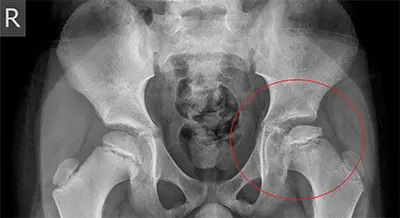
Diagnosis of Perthes Disease
Because hip pain in children can have multiple causes, diagnosing Perthes disease involves a combination of medical history, physical examination, and imaging tests. Common diagnostic tools include:
- MRI Scan: Detects soft tissue and bone changes.
- CT Scan: Produces detailed cross-sectional images of bone and cartilage.
- X-rays: Identifies bone deformities or stress fractures.
- Ultrasound: Evaluates soft tissue and joint structures.
- Bone Scan: Detects damage or abnormalities in the hip bones.
Treatment Options for Perthes Disease
Treatment depends on the child’s age, overall health, and the stage of the disease. Mild cases may respond well to conservative measures, while progressive cases may require surgery.

Conservative treatments
- Anti-inflammatory medication: Reduces pain and inflammation.
- Rest and activity modification: Limits weight-bearing to allow proper bone growth.
- Physical therapy: Strengthens muscles around the hip and corrects movement patterns.

Surgical Treatments
If symptoms worsen or do not improve with non-surgical treatment, surgical options may include:
- Trochanteric flip osteotomy
- Periacetabular osteotomy
- Arthroscopic procedures
- Cartilage transplants
- Robotic hip replacement
Recovery after surgery can take 6 to 12 months, depending on the procedure performed.
References
- Terjesen T, Wiig O, Svenningsen S. The natural history of Perthes' disease. Acta Orthop. 2010 Dec;81(6):708-14. doi: 10.3109/17453674.2010.533935. Epub 2010 Nov 11. PMID: 21067434; PMCID: PMC3216081.